
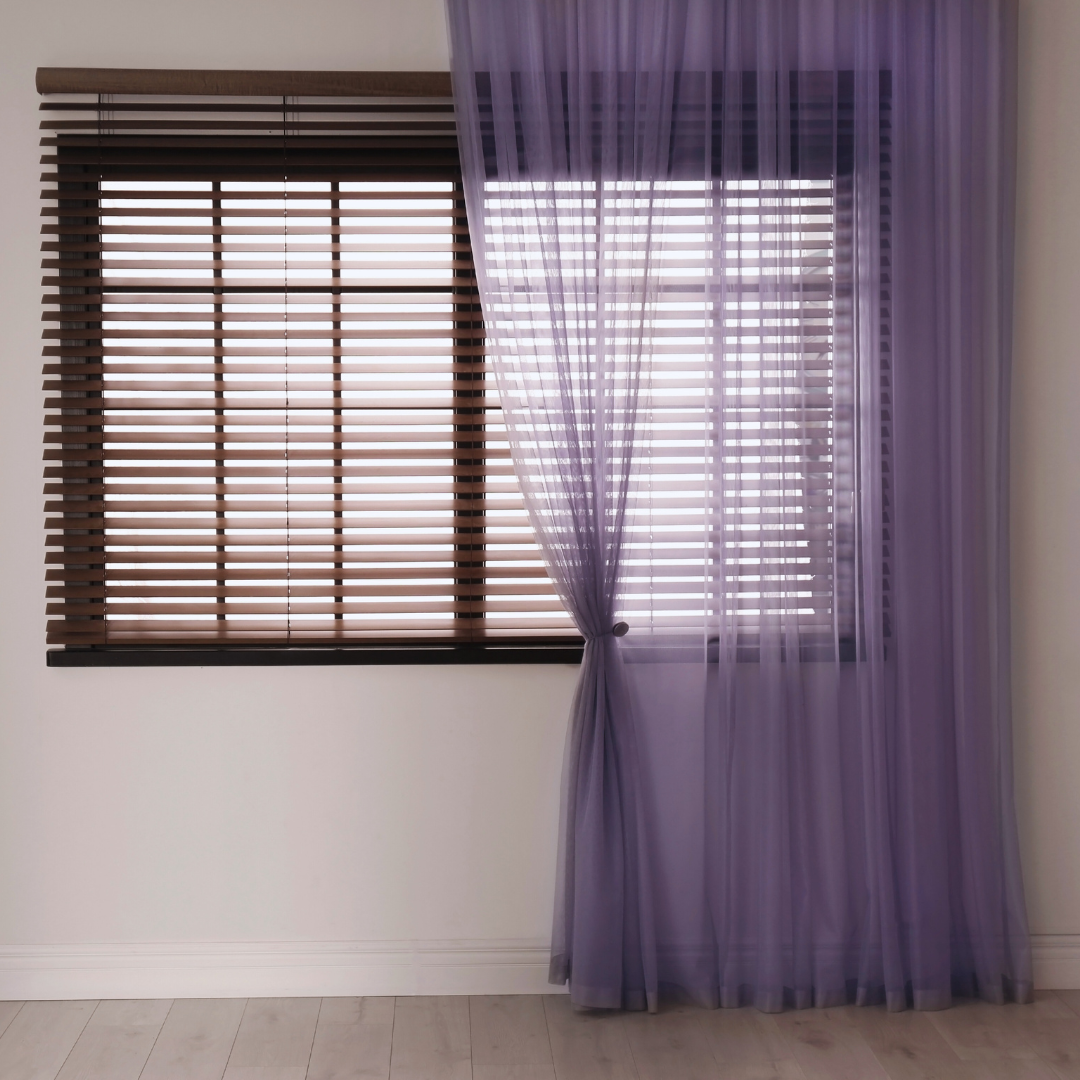
Choosing the right window curtains depends on your needs for privacy, light control, and style. Consider the room’s purpose, the amount of natural light, and your desired aesthetic to select curtains that balance functionality with design. Fabric type and curtain length also play important roles in how they will look and perform.
Understanding these key factors helps you avoid common mistakes such as choosing curtains that block too much light or clash with your décor. The right curtains can enhance the room’s atmosphere and improve comfort without overwhelming the space.
Understanding Different Types of Window Curtains
Choosing the right window curtains involves considering factors like light control, privacy, insulation, and style. Different curtain types serve specific purposes that can influence the ambiance and functionality of a room.
Panel Curtains
Panel curtains come as flat or pleated fabric panels hung from a rod. They are versatile and work well for most window sizes and styles. Panels often come in sets of two to allow opening and closing from the center.
Materials vary from heavy velvet to lightweight cotton, affecting how much light they block. Panels can be lined for added insulation and light-blocking properties. They are often chosen for their classic look and easy maintenance.
Panel curtains can be drawn fully open, offering an unobstructed view, or closed for privacy and moderate light control. They fit well in living rooms, bedrooms, and dining areas.
Sheer Curtains
Sheer curtains are made of lightweight, translucent fabrics like voile or chiffon. Their primary function is to soften natural light while providing minimal privacy. They do not block much light but reduce glare and diffuse sunlight.
These curtains are ideal for bright spaces where maintaining an airy, open feel is important. Sheers are often used in combination with heavier curtains or blinds to balance privacy and light.
Sheer curtains add elegance with their flowing, delicate texture. They are easy to pair with other window treatments and complement modern, minimalist, or traditional decor styles.
Blackout Curtains
Blackout curtains are constructed from heavy, opaque fabrics, often with a dense lining. Their design blocks nearly 100% of daylight and reduces external noise.
They are useful in bedrooms, home theaters, and offices where controlling light is critical. Blackout curtains improve privacy and can enhance sleep quality by blocking streetlights and early morning sun.
Typically, blackout curtains also offer some thermal insulation, keeping rooms cooler in summer and warmer in winter. They come in various colors and styles to suit different interior schemes.
Thermal Curtains
Thermal curtains are designed primarily for insulation, reducing heat loss during cold months or limiting heat gain in summer. They contain dense interlining or specialized fabric layers that improve energy efficiency.
These curtains help lower heating and cooling costs by creating a thermal barrier on windows. While they reduce drafts and noise, thermal curtains also block moderate amounts of light.
Ideal for rooms with poor insulation or large windows, thermal curtains come in multiple fabrics and weights. They balance comfort with functionality, especially in regions with extreme temperatures.
Measuring Windows for the Perfect Curtain Fit
Measuring windows correctly is essential to ensure curtains hang properly and function as intended. Attention to detail in length and width measurements affects both the appearance and usability of your curtains.
Gathering Accurate Window Dimensions
Start by measuring the width of the window frame from edge to edge. Use a steel tape measure for precision. Record the measurement to the nearest 1/8 inch to avoid errors.
Next, measure the height from the top of the window frame or rod placement point down to where you want the curtain to end. Decide if the curtains will just cover the windowsill, fall to the floor, or pool slightly.
Check if there are obstructions such as window handles or radiators. These may affect curtain clearance and guide where to place your rod.
Choosing Curtain Length
Curtain length depends on style and window placement. For standard coverage, measure from the curtain rod to just below the window sill or to the floor.
Common lengths include:
- Sill length: 1-2 inches below the sill edge
- Floor length: 1/2 inch above or touching the floor
- Puddling length: 2-4 inches, pooling on the floor
Measure the rod height above the window accurately for consistent curtain lengths in multiple windows.
Selecting Curtain Width
Curtain width should be 1.5 to 3 times the window width, depending on fabric fullness and style preferences. Use this formula:
Curtain Width = Window Width × Fullness Factor
| Fullness Factor | Look | Usage |
| 1.5 | Minimal gathering | Modern, sleek appearance |
| 2 | Standard fullness | Balanced look, good coverage |
| 2.5 to 3 | Heavy waves | Traditional, dramatic style |
Measure the total rod width, including extensions beyond the window frame, to ensure curtains cover the space fully.
Selecting the Right Fabric for Your Curtains
Choosing the fabric of your curtains affects light control, privacy, and room ambiance. Different materials offer various textures, durability, and maintenance needs. Consider these factors carefully to match your room’s function and style.
Light Filtering Fabrics
Light-filtering fabrics are ideal for rooms where natural light is desired, but harsh sunlight needs softening. Materials like linen and sheer polyester allow sunlight to enter while reducing glare and UV exposure. They provide moderate privacy without completely blocking the view outside.
These fabrics are often lightweight, easy to maintain, and come in a variety of colors and weaves. They work well in living rooms, kitchens, and areas where you want a bright, airy feel. Keep in mind they won’t offer much insulation or total darkness, so they are less suitable for bedrooms or media rooms.
Heavyweight Fabrics
Heavyweight fabrics provide excellent privacy, insulation, and light blocking. Options like velvet, blackout polyester, and thick cotton are dense and sturdy. These fabrics help reduce noise and improve temperature control by retaining heat in winter and blocking solar heat in summer.
They are often used in bedrooms, home theaters, or rooms needing extra privacy. Heavyweight curtains can add a luxurious or formal look, but they require more effort to clean and maintain. Check for lining options that enhance their performance and longevity.
Blends and Specialty Materials
Fabric blends combine the benefits of different fibers to enhance durability, texture, or performance. For example, cotton-polyester blends offer wrinkle resistance and easy laundering, while silk blends introduce a subtle sheen and softness.
Specialty materials like blackout blends and thermal fabrics focus on energy efficiency and complete darkness. These can be layered or used alone, depending on the desired effect. Choose blends when you need a balance of appearance, functionality, and upkeep, especially in multi-purpose rooms.
Choosing Colors and Patterns
Selecting the right colors and patterns for curtains impacts the room’s atmosphere and ties the overall design together. Consider how your choices balance with other elements like furniture, wall colors, and lighting to create a cohesive look.
Color Coordination with Room Decor
Choosing curtain colors involves matching or complementing existing tones. For rooms with neutral walls, bold or saturated curtains add a striking contrast. Conversely, soft neutrals or pastels work well in vibrant spaces to maintain balance.
Use a color wheel to find complementary or analogous hues. For example, blue curtains suit yellow accents as complementary colors, while green and blue share an analogous relationship for a tranquil effect.
Aim to coordinate curtains with the room’s primary color scheme rather than clashing with it. Test fabric samples in natural light before finalizing, since colors may appear different indoors.
Pattern Selection Strategies
Patterns help define style, but should be chosen carefully to avoid overwhelming a room. Large-scale prints suit spacious rooms, while smaller patterns fit better in compact spaces.
Match patterned curtains with solid furniture or vice versa to maintain visual harmony. Stripes, florals, and geometrics each create distinctive moods—stripes add height, florals bring softness, and geometrics offer modernity.
Use patterns to emphasize room style:
- Traditional: damask or paisley
- Contemporary: abstract or minimal prints
- Eclectic: mix of bold, contrasting patterns
Impact of Fabric Texture
Texture influences the perception of color and pattern. Smooth fabrics like silk reflect light, making colors appear vibrant. Matte fabrics such as linen absorb light, offering a softer, muted look.
Thicker textures like velvet add depth and warmth, ideal for colder climates or formal rooms. Sheer fabrics diffuse light, enhancing brightness but offering less privacy.
When selecting texture, consider how it interacts with the room’s lighting and existing materials like upholstery or rugs for a harmonious feel.
Considering Curtain Styles and Heading Types
Curtain styles and heading types define both function and appearance. Important factors include ease of use, compatibility with your rods, and the look each style creates. Different options influence how curtains hang and move.
Grommet Top Curtains
Grommet top curtains have metal rings inserted directly into the fabric’s top edge. These rings slide smoothly over curtain rods, making opening and closing quick and quiet.
They work well with modern or minimalist decor due to their clean, even folds. The spacing between grommets keeps curtains evenly distributed and prevents bunching.
One drawback is that grommets require wider rods and may not suit very narrow windows. Also, their metal rings limit certain fabric choices because the material around the grommet must be reinforced.
Rod Pocket Curtains
Rod pocket curtains feature a sewn-in pocket at the top where the curtain rod slides through. This style offers a tailored, gathered look when hanging.
Rod pockets are easy to install since they simply slip onto the rod. They suit lightweight to medium-weight fabrics but can appear heavy or bulky with thick materials.
These curtains create soft, casual folds but limit movement because sliding is less fluid than with grommets. They also require a rod diameter matching the pocket size for proper fit.
Pleated Curtains
Pleated curtains come in several header styles, including pinch pleat, box pleat, and tailored pleat. These create structured folds that hold their shape.
Pleats add formality and are common in traditional or elegant rooms. They need curtain hooks or rings, which can increase installation time but allow for smooth sliding.
The pleats control fabric fullness and window coverage precisely. However, pleated curtains may cost more due to extra fabric and construction details required for the pleats’ design.
Evaluating Functionality and Light Control
Choosing curtains involves more than just aesthetics. The right curtains must address privacy, handle environmental factors like moisture, and contribute to insulation and energy savings.
Privacy Needs
Privacy demands differ depending on the room’s purpose and location. Bedrooms and bathrooms usually require thick or opaque curtains to block outside views.
Sheer curtains allow natural light but offer limited privacy. Layering sheers with heavier drapes can provide flexibility between openness and seclusion.
Consider curtain length and width to ensure full window coverage without gaps. Blackout curtains are ideal for rooms needing complete darkness and privacy.
Moisture Resistance
Moisture resistance is essential for bathrooms, kitchens, or humid areas. Fabrics like polyester or synthetic blends resist mold and mildew better than natural fibers.
Avoid heavy, absorbent materials like cotton or linen in wet zones. Quick-drying and easy-to-clean curtains reduce maintenance hassles.
Water-resistant coatings or vinyl curtains also work well to prevent moisture damage and stains. Regular ventilation enhances curtain longevity in humid spaces.
Insulation and Energy Efficiency
Curtains can improve insulation by minimizing heat loss or gain through windows. Thermal curtains often feature a thick lining that traps air and blocks drafts.
They reduce heating bills in winter and help keep rooms cooler in summer. Look for curtains with an insulated backing or multiple layers for maximum effect.
Velvet and heavy weaves provide good insulation but may reduce natural light. Strategically choosing curtain colors and materials aids in maintaining energy-efficient temperature control.
Hardware and Installation Tips
Selecting the right hardware and installation method ensures the curtains hang properly and operate smoothly. Consider the weight of your fabric, window size, and wall type to choose durable and compatible components.
Choosing Curtain Rods
Curtain rods must support the curtain’s weight and fit the window’s dimensions. Metal rods are strong and ideal for heavy fabrics like velvet or blackout curtains. Lightweight fabrics work well with thinner rods made of aluminum or wood.
Measure the window width and add 4-6 inches on each side for proper coverage and to allow curtains to stack when open. Finials, the decorative end caps, come in various styles—from simple spheres to intricate designs. Choose finials that complement your room’s décor without overpowering it.
Mounting Options
Mounting location affects both aesthetics and function. Inside mounts fit within the window frame and offer a neat, streamlined look, but may reduce light blockage. Outside mounts place the rod above or outside the frame, making windows appear larger and allowing maximum light control.
Use anchors rated for your wall material: drywall anchors for gypsum walls, toggle bolts for hollow walls, and masonry screws for brick or concrete. Secure brackets at least one stud apart for heavier curtains to prevent sagging.
Accessorizing with Tiebacks and Holdbacks
Tiebacks and holdbacks control curtain placement and add style. Tiebacks loop around the curtain, holding it open and framing the window. They work best with softer, draped fabrics to create gentle folds.
Holdbacks are fixed on the wall beside the window and catch fabric when pulled back. They suit heavier curtains and provide a firm hold. Choose accessories made of metal, wood, or fabric that match your curtain rods to maintain cohesion.
Budgeting and Maintenance Considerations
Choosing window curtains involves balancing cost with durability and ease of care. Understanding price points helps set realistic expectations. Maintenance affects both appearance and lifespan, so consider cleaning requirements carefully.
Understanding Price Ranges
Curtain prices can vary widely based on fabric, size, and style. Budget options often use synthetic materials like polyester, costing between $20-$50 per panel. Mid-range curtains, priced around $50-$150, tend to use cotton blends or linen, offering better texture and appearance.
Premium curtains may exceed $150 per panel, featuring high-end fabrics like silk or velvet with custom tailoring. Additional factors impacting cost include lining, patterns, and hardware.
It’s important to factor in installation costs if professional hanging is required. Setting a flexible budget enables balancing quality and aesthetic goals effectively.
Long-Term Durability
Fabric composition strongly influences curtain lifespan. Polyester and synthetic blends resist fading and wrinkles, making them durable choices for high-traffic areas. Natural fibers like cotton and linen offer breathability but may wear faster, especially under direct sunlight.
Hardware quality also matters; metal rods and brackets last longer than plastic alternatives. Reinforced seams and hems prevent premature tearing.
Proper exposure to sunlight reduces fabric degradation. Investing in UV-protected linings can extend curtain life significantly without sacrificing brightness or style.
Cleaning and Care Tips
Curtains require regular upkeep to maintain appearance and hygiene. The cleaning method depends on fabric type—polyester and synthetic curtains are often machine washable on gentle cycles.
Natural fabrics frequently need dry cleaning or delicate hand washing, which raises maintenance efforts and costs.
Vacuuming with a soft brush or using a lint roller removes dust daily. Prevent stains by avoiding contact with food or liquids near windows.
Care Routine Summary:
| Fabric Type | Cleaning Method | Frequency |
| Polyester/Synthetics | Machine wash, gentle | Every 3-6 months |
| Cotton/Linen | Dry cleaning or hand washing | Annually or as needed |
| All fabrics | Vacuum or lint-roll | Weekly |
Following these steps ensures the curtains retain their look and functionality over time.
Seasonal and Room-Specific Curtain Choices
Choosing curtains involves considering the function and atmosphere of each room as well as seasonal changes. Selecting fabrics and styles based on these factors ensures better comfort, light control, and aesthetics.
Curtains for Living Rooms
Living room curtains should balance style and practicality. Opt for durable fabrics like linen, cotton blends, or polyester, which resist wear and fading from sunlight. Darker colors or patterns can add depth and hide stains.
Consider curtains with a medium to heavy weight to block UV rays and protect furniture. Sheer curtains can be layered underneath for natural light without sacrificing privacy. Motorized or easy-to-open options enhance convenience in busy areas.
Use curtain rods that support wide panels if you want a fuller, luxurious look. Matching the curtain color to furniture or accent colors creates cohesion without overwhelming the space.
Curtains for Bedrooms
Bedroom curtains need to prioritize light control and privacy. Blackout or thermal curtains are the best choice for blocking daylight and reducing noise. Heavier fabrics like velvet or tightly woven cotton provide insulation and a cozy feel.
Choose neutral or muted tones to promote relaxation and better sleep. Avoid overly bright patterns, which can disrupt the calming atmosphere. Curtains with a lining improve durability and effectiveness against drafts.
Length is important — floor-length panels create a softer, more polished look. Tiebacks help manage light and airflow during the day without compromising privacy at night.
Seasonal Fabric Recommendations
Fabric choice significantly impacts comfort across seasons. In warmer months, lightweight materials like sheer cotton or voile allow breeze and natural light while reducing heat buildup.
For colder seasons, thermal curtains with insulating layers reduce heat loss and keep rooms warmer. Fabrics like heavy wool blends or quilted curtains are excellent for winter.
Consider fabrics that are easy to clean and maintain, especially if switching curtains seasonally. Natural fibers like cotton offer breathability and comfort year-round, but synthetic blends often provide better durability and resistance to fading.
Latest Trends in Window Curtain Design
Natural fabrics like linen and cotton are in high demand for their breathable qualities and timeless look. These materials fit well in minimalist and eco-friendly interiors.
Bold patterns and geometric prints are gaining popularity. They add visual interest without overwhelming a room when paired with neutral walls.
Layering curtains with sheer panels is a practical trend. It allows control over light and privacy while creating depth in window treatments.
Colors have shifted towards earthy tones—olive green, terracotta, and soft greys dominate. These colors complement modern, Scandinavian, and rustic designs.
| Trend | Description | Benefits |
| Natural Fabrics | Linen, cotton | Breathable, durable |
| Bold Patterns | Geometric, abstract designs | Adds visual interest |
| Layered Curtains | Sheers under heavier curtains | Light control, privacy |
| Earth Tones | Olive, terracotta, soft grey | Versatile, calming |
Metallic curtain rods and minimalist hardware support sleek, contemporary looks. These are popular choices for urban apartments.
Velvet and heavier fabrics are used less frequently for everyday use but remain preferred for formal spaces. They provide insulation and a luxurious texture.