
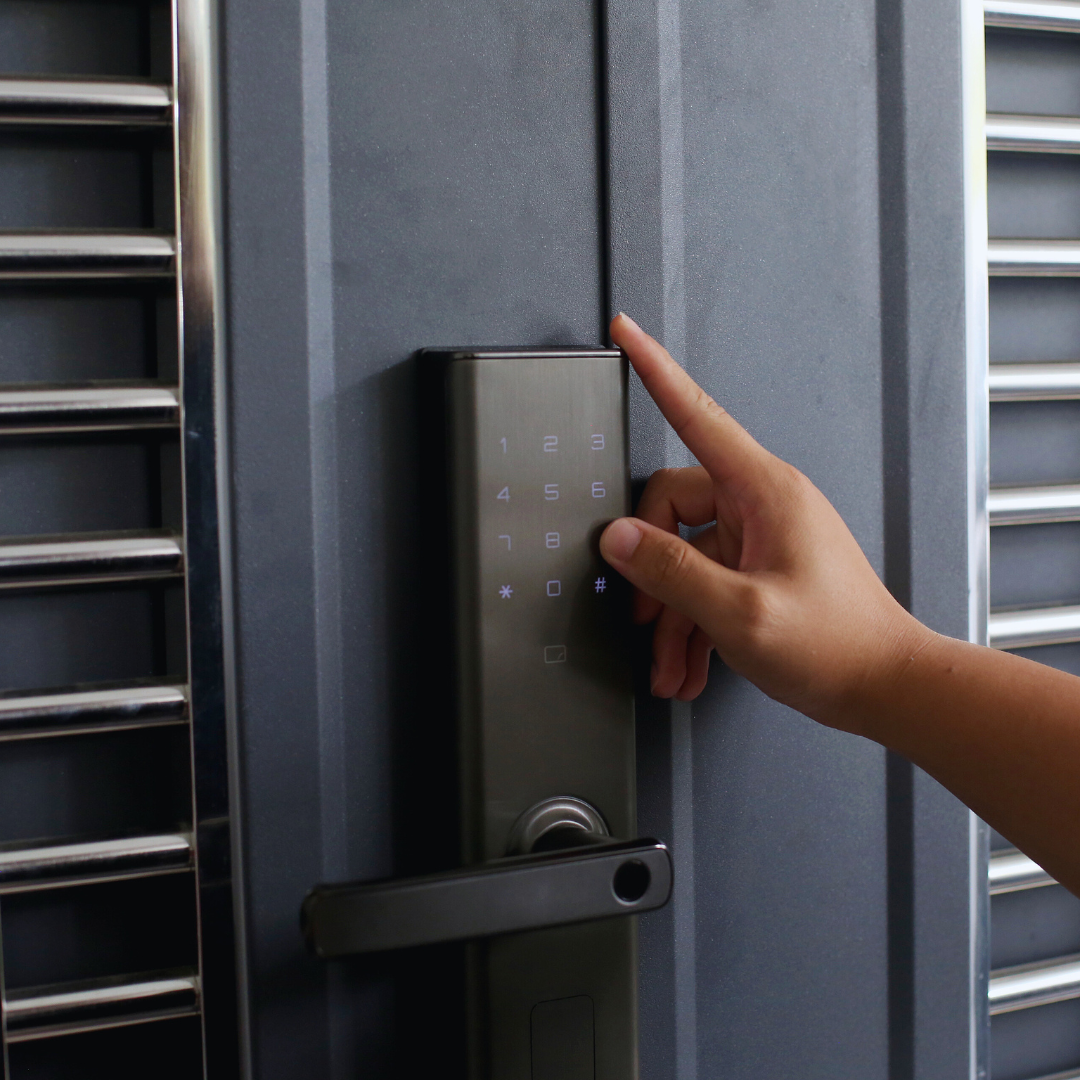
Renting a home presents unique challenges when it comes to security. Unlike homeowners, renters often cannot make permanent changes or install complex systems. A practical home security setup for renters focuses on non-invasive, easy-to-install solutions like smart locks, portable cameras, and motion sensors.
These tools offer flexibility and protection without damaging the property or violating lease agreements. Understanding which devices provide effective monitoring and deterrence is key to ensuring safety while respecting rental restrictions.
Security doesn’t have to be complicated or expensive. By choosing the right combination of gadgets and strategies, renters can create a reliable defense tailored to their living situation.
Assessing Rental Property Security Needs
Understanding the current state of security in your rental helps target the most critical improvements. It’s also important to recognize typical weak points that affect rental properties and clarify what security tasks fall to the landlord versus the tenant.
Evaluating Existing Security Measures
Start by inspecting all entry points, such as doors and windows. Verify if strong locks are installed, including deadbolts on exterior doors and secure latches on windows.
Check if any security systems exist, like alarms or cameras. Note whether these devices are operational or need upgrades. Also, assess outdoor lighting—adequate lighting deters unwanted visitors.
Consider the property’s visibility from neighbors or public areas. Clear sightlines can increase security by enabling natural surveillance. Document these findings to identify gaps you might need to fill.
Identifying Common Vulnerabilities in Rentals
Rental properties often have outdated or basic locks that can be easily bypassed. Sliding doors and windows can present entry points if their tracks or locks are weak.
Shared entryways or communal spaces also create risks, as many people have access. Lack of secure mailboxes and poorly lit parking areas are additional vulnerabilities often overlooked.
Look for damaged door frames, gaps under doors, and windows without locks. These are easy targets that significantly reduce safety. Temporary fixes may include adding door jammers or window security bars.
Understanding Landlord and Tenant Responsibilities
Landlords are typically responsible for the structural security of the property, including door frames, locks provided at move-in, and external lighting. Local laws usually require landlords to maintain these baseline security features.
Tenants often handle supplemental measures like installing security cameras, using door alarms, or adding lock upgrades, provided they receive permission when necessary.
Clear communication about who maintains what prevents disputes. Review your lease and local regulations to confirm security responsibilities before making changes.
Security Solutions Suitable for Renters
Renters need security options that don’t require permanent installation or alterations. Solutions should be easy to move, affordable, and effective without damaging the property or violating lease agreements.
Wireless Security Cameras
Wireless security cameras offer flexibility without the need for wiring or drilling. Most models connect via Wi-Fi and can be mounted using adhesive strips or magnetic brackets, making installation simple and damage-free.
Look for cameras with features like motion detection, night vision, and two-way audio. Cloud storage options provide remote access to footage without needing physical storage devices. Many cameras operate on rechargeable batteries, avoiding wiring issues.
Choose models with easy app controls and alerts for immediate awareness. Brands like Arlo, Ring, and Wyze offer renter-friendly options that balance cost and functionality.
Door and Window Alarms
Door and window alarms are compact devices that alert renters to unexpected entries. These alarms typically use magnetic sensors embedded in two small parts that align when the door or window is closed.
Installation involves attaching the sensors using adhesive pads, allowing for easy removal. Most devices include loud sirens with decibel levels high enough to deter intruders while notifying neighbors.
Battery-powered alarms provide hassle-free operation without wiring concerns. Some models offer smart integration, sending notifications via smartphone apps for real-time alerts.
Smart Locks for Rental Properties
Smart locks enhance access control by replacing or supplementing existing locks without permanent changes. Many smart locks attach over the current deadbolt, allowing renters to maintain the original lock for lease compliance.
These locks often use Bluetooth, Wi-Fi, or keypad entry codes, eliminating the need for physical keys. Temporary access codes can be granted to guests or service providers and easily revoked afterward.
Battery life varies by model, with most lasting several months per charge. Compatibility with voice assistants or home automation systems is common, providing added convenience.
Portable Security Devices
Portable security devices include motion sensors, personal alarms, and compact cameras designed for easy relocation. They require no wiring and typically attach via magnets, suction cups, or adhesive pads.
These devices offer quick deployment in specific areas like hallways, entryways, or common rooms. Some include built-in sirens or flashing lights to draw attention during suspicious activities.
Battery-operated and lightweight, portable devices suit renters who move frequently or want temporary security. Many models come with mobile app connectivity for remote monitoring and control.
Installation Without Property Damage
Renters often face restrictions on making permanent changes to their homes. Choosing security setups that avoid drilling or altering walls is essential to protect the property and comply with rental agreements.
Non-Invasive Mounting Techniques
Using tension rods or freestanding mounts is an effective way to install cameras or sensors without screws. Door and window sensors that clip onto frames or snap into place provide monitoring without holes.
Magnetic mounts can hold devices on metal surfaces securely and allow easy repositioning. Velcro strips rated for outdoor use offer another option to attach lightweight gadgets without damage. Select hardware designed specifically for removable mounting to ensure stability and ease of removal.
Adhesive and Removable Security Devices
Strong, double-sided adhesives made for walls and glass can support small security cameras or alarm panels. Use adhesives labeled as “damage-free” or “removable” to ensure they detach cleanly without residue.
Command hooks and strips are popular choices, designed to hold a few pounds and peel away without harming paint or drywall. Test adhesives on a small area beforehand to verify compatibility with surfaces like textured walls or vinyl siding.
Check device weight limits carefully before installation; heavy equipment often requires sturdier alternatives to adhesives. Regularly inspect adhesive mounts for weakening to maintain security.
Permission and Communication with Landlords
Confirm tenant agreements about installing security devices before starting. Many landlords allow non-permanent setups but may want notification or approval in writing.
Document any agreed terms about installation methods and responsibility for removal or repairs. This avoids disputes when moving out and ensures cost-free security enhancements.
Keep landlords informed about device locations and upkeep, demonstrating professionalism and respect for the property. Open communication contributes to smoother rental experiences while maintaining safety.
Home Automation and Remote Monitoring
Modern home security systems offer tools that bring increased control and instant visibility into your rental property’s safety. Automated features allow you to interact with your security setup from anywhere, while connected devices expand protection beyond simple alarms.
App-Based Security System Control
Most security systems designed for renters include a dedicated app for smartphones. This app lets you arm or disarm the system remotely, check the status of sensors, and manage user access without needing physical keys or codes.
Apps often provide easy setup menus and customizable settings, letting you adjust alert sensitivity or set schedules. Some systems support multiple users, so family or roommates can also control the system through their own devices.
Security apps also log event history, making it simple to review past activity or confirm whether a particular alert was triggered. Look for systems with high-rated apps that offer reliable, frequent updates for better performance and security.
Integrating Security with Smart Home Devices
Combining security components with smart home devices enhances convenience and protection. Devices like smart locks, doorbell cameras, and motion-activated lights can sync with your security system for a unified experience.
Integration can automate tasks such as turning on lights when motion is detected or unlocking doors remotely for visitors. This setup can be done without permanent fixtures, which is important for renters who need to avoid landlord restrictions.
Popular platforms like Amazon Alexa, Google Assistant, or Apple HomeKit support many security products, allowing voice control and routine automation. Confirm device compatibility before investing to ensure seamless operation across your smart home ecosystem.
Real-Time Alerts and Notifications
Immediate alerts are key to responding quickly to potential security breaches. Most systems send notifications via app push messages, SMS, or email to keep you informed at all times.
You can customize alert types based on your priorities, such as receiving notifications only when doors open during designated hours or when unusual motion is detected. Some systems include pictures or video clips in alerts, offering more context for faster decision-making.
Real-time monitoring services may also be available as an option. These services can contact you or emergency responders if a serious alarm triggers, which adds a layer of professional oversight without intrusive hardware installations.
Personal Safety Practices for Renters
Maintaining personal safety involves practical steps focused on controlling access, building community awareness, and establishing consistent habits. These actions help create a safer living environment without relying solely on physical security devices.
Securing Entry Points
Check all doors and windows for proper locks. Deadbolts on exterior doors provide stronger protection than standard locks. If allowed, adding a door jammer or portable security bar increases security when at home.
Use window locks or pins to limit how far windows can open. Sliding doors should have a rod or metal bar placed in the track to prevent forced entry. Avoid giving spare keys to strangers or hiding them outdoors.
Always verify the identity of visitors before opening the door. Peepholes or video doorbells can help screen guests. When moving in, change the locks or ask the landlord to do so to ensure previous tenants no longer have access.
Building Relationships with Neighbors
Know your immediate neighbors by name and establish simple communication methods like texting or group chats. Mutual awareness of routines and frequent visitors can help identify suspicious activity quickly.
Participate in local renter or neighborhood watch programs if available. Sharing concerns and updates increases community vigilance. Neighbors can also assist by collecting mail or packages when away to reduce signs of absence.
Friendly relations often act as a deterrent against crime. When neighbors look out for one another, it reduces the chances of targeted break-ins or scams within the building or block.
Creating Safe Routine Habits
Develop routines such as locking doors and windows every time you enter or leave, regardless of time of day. Avoid announcing travel plans on social media, which can alert outsiders to an empty home.
Keep pathways and entryways well-lit at night. Use timers on indoor lights if away for extended periods to simulate occupancy. Secure valuables out of plain sight from windows.
Regularly review and update your safety procedures, especially when moving to a new unit or after a security incident. Consistency in habits greatly decreases vulnerability at home.
Legal Considerations in Rental Security
Renters must balance their security needs with the legal boundaries set by lease agreements and privacy laws. Understanding these limits avoids conflicts with landlords and protects tenant rights.
Tenant Rights and Lease Agreements
Renters typically have the right to install security devices, but lease agreements often specify what is allowed. Some landlords require written permission before installing alarms, cameras, or locks.
Changes that alter the property, such as drilling holes, may need landlord approval. Tenants should review their lease carefully and get any permissions in writing to prevent disputes.
State laws can also affect what renters can do. For instance, some states mandate landlords to provide adequate locks or security features. Tenants should check local regulations to know their rights and the landlord’s responsibilities.
Privacy Concerns and Security Equipment
Security installations must respect privacy laws, especially regarding video and audio recording. Cameras should not record private areas like shared hallways, neighboring windows, or landlord-occupied spaces without consent.
It’s important to position cameras in private areas under the tenant’s control, like inside the unit or the front door. Audio recordings often have stricter regulations and may require consent from all parties.
Wireless security devices that store footage on cloud services should comply with data protection laws. Tenants must ensure their security setup doesn’t violate the privacy of others in the building.
Cost-Effective Home Security Tips
Renters can improve home security without high costs by focusing on strategic measures. Start with door and window locks, which are often the first points of entry for intruders. Upgrading to high-quality deadbolts or adding portable door jammers offers solid protection.
Another affordable option is motion-activated lighting. These lights deter unwanted visitors by illuminating dark areas outside the home, making it less attractive for potential break-ins.
Security cameras don’t have to be expensive or permanent. Many wireless cameras are easy to install, require no drilling, and can be taken when moving. Choose models that offer app access and cloud storage for convenience.
Consider these budget-friendly items:
| Item | Approximate Cost | Benefits |
| Door and window locks | $10-$50 | Improved physical barriers |
| Motion-activated lights | $20-$40 | Visible deterrent after dark |
| Wireless security cameras | $50-$150 | Remote monitoring and recording |
| Portable alarms | $15-$30 | Audible alert without installation |
Using window security film or a security bar can add an additional layer of defense. These solutions are inexpensive and do not require permanent modifications.
Lastly, signage such as fake security system stickers or neighborhood watch signs can discourage intrusion with minimal investment. Simple visibility of security measures often makes a significant difference.
Upgrading Security When Moving or Renewing Lease
When moving into a new rental or renewing your lease, it’s an ideal time to reassess your home security. Locks, alarms, and cameras should be checked or upgraded to ensure continued safety.
Start by changing or rekeying the locks. Many landlords may not replace keys when previous tenants leave. If permitted, install smart locks for convenience and enhanced control.
Review your security devices. If your current system is basic, consider upgrading to a wireless alarm system or adding security cameras. These devices can be easily moved with you when you leave.
Make a checklist of these action points:
| Task | Why It Matters | Notes |
| Change/Rekey Locks | Previous tenants may have keys | Confirm the landlord’s policy |
| Upgrade Alarm System | Better protection and alerts | Opt for wireless models |
| Add Security Cameras | Monitor entrances and common areas | Choose cameras with app access |
Discuss any upgrades with your landlord before installation. Some improvements may require permission or repairs when you move out.
Updating your security setup during lease renewal or moving helps maintain peace of mind. Small investments and smart choices can greatly improve safety without permanent changes to the property.