
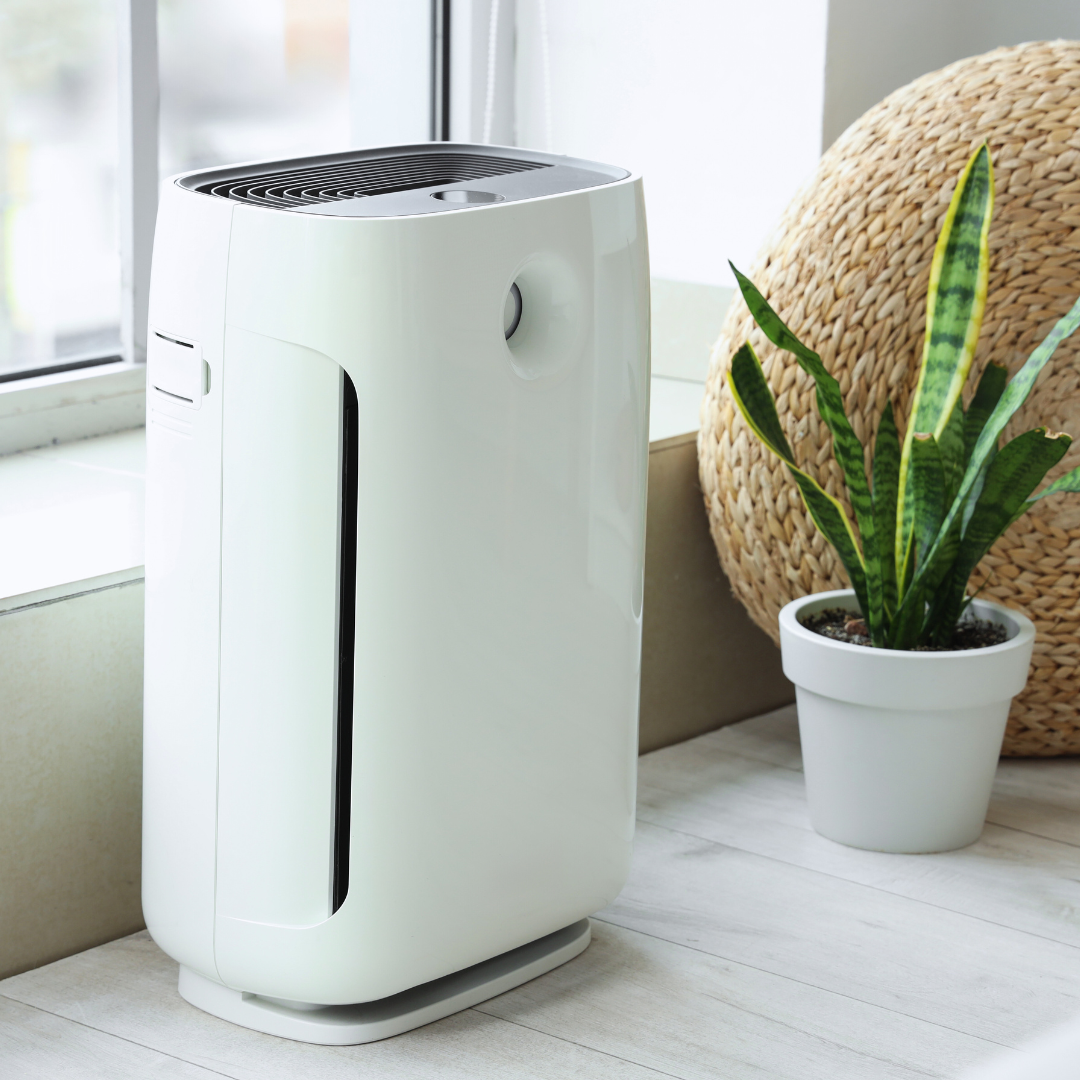
Improving home air quality is essential for a healthier living environment and can be achieved through simple, practical steps. The most effective way to improve air quality is by increasing ventilation, reducing indoor pollutants, and using air purifiers.
Regularly cleaning your home, minimizing the use of harmful chemicals, and controlling humidity levels can significantly reduce airborne irritants and allergens. Understanding these key actions helps create a cleaner, fresher atmosphere inside your home.
Understanding Indoor Air Quality
Indoor air quality depends on several factors, including ventilation, sources of pollution, and environmental conditions inside the home. Various pollutants can accumulate and affect comfort and health. The consequences of poor air quality range from mild irritation to serious respiratory issues.
Key Factors Affecting Home Air Quality
Ventilation plays a crucial role in maintaining good air quality. Homes with insufficient airflow tend to trap pollutants, increasing their concentration indoors. Temperature and humidity levels also influence pollutant behavior and microbial growth.
Materials used in building and furnishing—such as paints, carpets, and cleaning products—release volatile organic compounds (VOCs) that degrade air quality. Combustion sources, including gas stoves and fireplaces, emit carbon monoxide and nitrogen dioxide, which are harmful in enclosed spaces.
Regular maintenance of HVAC systems and using air purifiers can help control indoor pollution sources. Monitoring humidity between 30-50% reduces mold and dust mite proliferation.
Common Indoor Pollutants
Indoor air can contain a variety of pollutants like dust, pet dander, mold spores, and pollen. Chemicals such as formaldehyde and benzene are released from household products and building materials. These compounds may cause irritation or allergic reactions.
Combustion byproducts such as carbon monoxide (CO) and nitrogen dioxide (NO2) result from stoves and heaters. Radon, a radioactive gas found in some geographic areas, poses another risk. Outdoor air pollutants can also enter homes, especially in urban settings.
Biological contaminants, including bacteria and viruses, contribute to indoor pollution. Controlling moisture and source elimination are effective ways to limit these pollutants.
Health Impacts of Poor Air Quality
Exposure to indoor pollutants can cause symptoms like headaches, fatigue, eye irritation, and respiratory discomfort. Individuals with asthma or allergies may experience worsened symptoms or increased attacks.
Long-term exposure increases the risk of chronic respiratory diseases, heart problems, and even lung cancer. Vulnerable groups include children, seniors, and those with pre-existing health conditions.
Short-term spikes in poor air quality can trigger acute symptoms, while continuous exposure leads to more severe health consequences. Identifying and mitigating pollutant sources is essential for improving overall well-being.
Improving Ventilation
Proper air exchange is essential for reducing indoor pollutants and controlling moisture. Steps to enhance airflow include harnessing natural air movement, installing mechanical systems, and addressing common ventilation problems.
Natural Ventilation Techniques
Natural ventilation relies on opening windows, doors, and vents to create airflow. Cross-ventilation is effective: opening windows on opposite sides of a room allows fresh air to displace stale air efficiently.
Using trickle vents or vented skylights can provide continuous airflow without compromising security or energy efficiency. Positioning windows near HVAC return vents enhances air circulation.
In cooler months, limiting natural ventilation to avoid heat loss is important, but opening windows briefly several times a day can still improve air quality without excessive temperature drop. Plants placed near ventilation points may assist in filtering particulates.
Mechanical Ventilation Systems
Mechanical ventilation includes exhaust fans, whole-house ventilation systems, and heat recovery ventilators (HRVs). Exhaust fans should be installed in kitchens and bathrooms to remove moisture and odors directly.
Whole-house systems supply and exhaust air in a balanced manner, controlling humidity and pollutant levels. HRVs recover heat from outgoing air to reduce energy loss while maintaining fresh air circulation.
Proper sizing and placement are critical for system effectiveness. Regular maintenance, like cleaning ducts and replacing filters, ensures consistent performance and prevents the buildup of contaminants.
Identifying and Fixing Poor Ventilation
Signs of poor ventilation include lingering odors, condensation on windows, and mold growth on walls or ceilings. High humidity levels above 60% often indicate inadequate airflow.
Simple tools like moisture meters and CO2 monitors help quantify ventilation problems. Inspect vents for blockages and ensure fans are operational during and after cooking or showering.
Improving ventilation may involve sealing leaks that disrupt airflow patterns or adding additional vents. In some cases, upgrading to a mechanical ventilation system is necessary for homes with limited natural ventilation options.
Filtration and Air Purification
Improving indoor air quality often involves removing airborne particles, allergens, and pollutants effectively. The right air purifiers, filtration systems, and HVAC filters play crucial roles in maintaining cleaner, healthier air inside your home.
Choosing Effective Air Purifiers
Selecting an air purifier depends largely on the size of the room and the specific contaminants you want to remove. Look for models with True HEPA filters, which can capture 99.97% of particles as small as 0.3 microns, including dust, pollen, and pet dander.
Consider purifiers with activated carbon filters for odors and volatile organic compounds (VOCs). Check the Clean Air Delivery Rate (CADR); a higher CADR means faster filtration. For allergy or asthma sufferers, purifiers with UV-C light or ionizers might offer additional pathogen control, but these should be used with caution due to possible ozone production.
Types of Air Filtration Systems
Air filtration systems range from portable units to whole-house solutions integrated into HVAC systems. Mechanical filters like HEPA capture particles physically, while electrostatic precipitators use charged plates to trap pollutants.
Some systems combine filtration with air purification technologies such as UV light or photocatalytic oxidation. Each type targets different pollutants, so it’s important to choose a system based on your home’s specific air quality issues.
Using HVAC Filters for Cleaner Air
HVAC filters vary by efficiency, rated by the Minimum Efficiency Reporting Value (MERV). Filters with a MERV rating between 8 and 13 are effective for most homes, capturing dust, pollen, mold spores, and some bacteria.
Higher-rated filters (MERV 14-16) provide better filtration but can restrict airflow if your system isn’t designed for them. Replace filters every 3 months or more frequently if you have pets or allergies. Regular maintenance of the HVAC system is essential to maximize filter effectiveness and prevent dust buildup.
Controlling Humidity Levels
Maintaining proper humidity is essential for good indoor air quality. This involves targeting specific humidity ranges, using appropriate devices, and managing moisture to reduce health risks and protect your home.
Optimal Indoor Humidity Ranges
Indoor humidity should be kept between 30% and 50% to balance comfort and air quality. Levels below 30% can cause dry skin, irritation, and respiratory discomfort. Above 50%, excess moisture supports dust mites and mold growth.
Humidity varies with seasons and weather. In winter, heating systems dry the air, while summer humidity often rises due to heat and outdoor moisture. Using a hygrometer helps monitor levels precisely and adjust accordingly.
Dehumidifiers and Humidifiers
Dehumidifiers remove excess moisture when the humidity is above 50%. They are essential in basements, bathrooms, and kitchens where dampness is common. Choose units with an auto-shutoff and adjustable humidistat for efficiency.
Humidifiers add moisture when indoor air falls below 30%. They help during winter or in dry climates. Use cool-mist or ultrasonic humidifiers for safety and regular cleaning to prevent bacteria and mold buildup.
Preventing Mold and Mildew Growth
Mold thrives in humidity above 60%. To minimize growth, keep areas dry and well-ventilated, especially bathrooms, basements, and attics. Fix leaks and use exhaust fans to reduce moisture.
Regularly clean damp surfaces with mold-inhibiting solutions. Controlling indoor humidity helps prevent structural damage and respiratory issues caused by mold spores.
Eliminating Indoor Pollutant Sources
Indoor air quality improves significantly when common pollutant sources are identified and controlled. Reducing chemicals, allergens, and dust at their origin helps maintain cleaner air consistently.
Minimizing Chemical Cleaners and VOCs
Chemical cleaners release volatile organic compounds (VOCs) that degrade indoor air. Opt for natural or non-toxic cleaning products like vinegar, baking soda, or plant-based cleaners.
Avoid aerosol sprays and air fresheners that emit harmful gases. Store chemicals in well-sealed containers and use them in well-ventilated areas, preferably near windows or exhaust fans.
Regularly check labels for VOC content, and limit use to essential tasks. Using microfiber cloths with water often suffices to reduce chemical exposure.
Managing Pet Dander and Allergens
Pet dander is a common indoor allergen that affects air quality. Frequent grooming and regular baths reduce dander buildup on fur.
Designate pet-free zones, especially bedrooms and upholstered furniture, to limit airborne allergens. Use HEPA air purifiers to capture dander particles from the air.
Wash pet bedding and vacuum floors and furniture weekly with a vacuum equipped with a HEPA filter. This routine limits allergen circulation and accumulation.
Reducing Dust Accumulation
Dust carries particles like skin cells, pollen, and fibers that reduce air quality. Use a damp cloth or microfiber duster to avoid stirring dust into the air during cleaning.
Vacuum carpets, rugs, and upholstery several times a week using a vacuum cleaner with a HEPA filter. Change or clean HVAC filters regularly, typically every 1-3 months depending on use.
Minimize clutter and consider removing heavy fabric drapes that trap dust. Regular dust control reduces airborne particles and maintains healthier indoor air.
Strategies for a Cleaner Home Environment
Improving indoor air quality involves consistent upkeep, choosing safer cleaning products, and incorporating natural air purifiers. Each method targets specific pollutants to create a healthier living space.
Regular Cleaning Routines
Dust and allergens accumulate quickly, so vacuuming with a HEPA filter at least twice a week is essential. Focus on carpets, upholstery, and curtains where particles tend to settle.
Wipe hard surfaces with a damp cloth to capture dust rather than spreading it. Clean air vents and replace HVAC filters every three months to maintain airflow and reduce contaminants.
Minimize clutter to limit dust traps. Wash bedding weekly in hot water to remove dust mites. Regular pet grooming also reduces dander levels inside the home.
Green Cleaning Alternatives
Traditional cleaning products often contain volatile organic compounds (VOCs) that degrade air quality. Use natural substitutes like vinegar, baking soda, and lemon juice for effective, low-toxicity cleaning.
Look for labels certified by organizations such as EPA Safer Choice or Green Seal. These products limit harmful chemicals that can irritate the respiratory system.
Avoid aerosol sprays and opt for liquids or gels that release fewer particles into the air. Homemade mixtures can sanitize surfaces without harsh additives.
Houseplants for Air Quality Enhancement
Certain houseplants absorb toxins and release oxygen, improving indoor air quality naturally. Examples include spider plants, peace lilies, and snake plants.
Place plants in rooms where you spend most of your time, but avoid overwatering to prevent mold growth. A general guideline is one plant per 100 square feet.
While plants help, they should complement other air quality strategies rather than replace mechanical filtration and cleaning routines.
Monitoring and Maintaining Air Quality
Regular monitoring and upkeep are essential to ensure healthy indoor air. Identifying pollutant levels helps to take timely action. Ongoing maintenance prevents the buildup of contaminants and optimizes system performance.
Using Air Quality Monitors
Air quality monitors provide real-time data on pollutants such as particulate matter (PM2.5), volatile organic compounds (VOCs), carbon dioxide (CO2), and humidity. These devices range from basic models displaying PM levels to advanced units that track multiple gases.
Place monitors in commonly used areas like living rooms or bedrooms for accurate readings. Consistency in location helps track trends and detect sudden changes. Some smart monitors link to apps, offering alerts when pollutants exceed safe levels.
Using these devices enables targeted responses, such as increasing ventilation or running air purifiers only when needed. Continuous monitoring supports maintaining a healthier indoor environment effectively.
Routine Filter Replacement
Air filters trap dust, allergens, and other particles, but their efficiency drops as they clog. Replace HVAC and purifier filters regularly, typically every 3 months, or more often in high-pollution or pet-friendly homes.
Use filters with appropriate MERV ratings for your system, generally between MERV 8 and MERV 13 for residential use. Higher ratings capture finer particles but may restrict airflow if not compatible.
Regular inspections ensure filters are clean and intact. Dirty filters reduce air quality and strain equipment, increasing energy costs and potential breakdowns.
Professional Inspection and Maintenance
Schedule professional inspections annually to assess HVAC systems and indoor air quality. Technicians check for issues such as mold buildup, duct leaks, and malfunctioning components.
A detailed inspection may include duct cleaning, refrigerant checks, and verifying ventilation efficiency. Addressing problems promptly prevents harmful contaminants from circulating.
Professionals can also test for less obvious pollutants like radon or carbon monoxide. This service provides a thorough evaluation beyond standard upkeep and helps maintain safe indoor environments.
Lifestyle Changes That Support Better Air Quality
Improving indoor air quality often requires specific actions related to daily habits and home maintenance. Limiting pollutant sources and managing chemicals efficiently can greatly reduce airborne contaminants.
No Smoking Policy Indoors
Tobacco smoke contains thousands of harmful chemicals that remain suspended in the air long after smoking stops. Enforcing a strict no-smoking rule inside the home eliminates this major source of indoor pollution.
Secondhand smoke affects all occupants and can penetrate carpets, curtains, and upholstery, releasing toxins over time. If smoking must occur, designating an outdoor area far from windows and doors is essential to prevent smoke infiltration.
Using air purifiers does not fully remove tobacco smoke particles, so prevention through policy is more effective than mitigation after exposure.
Safe Storage of Household Chemicals
Many common cleaning products, paints, and pesticides release volatile organic compounds (VOCs) that degrade air quality. Storing these items in well-ventilated, sealed containers outside living areas limits exposure.
A dedicated cabinet with tight-fitting doors, ideally in a garage or basement, helps keep fumes out of the main airspace. Label all containers clearly and dispose of expired products promptly according to local hazardous waste guidelines.
Avoid mixing chemicals, which can cause dangerous reactions and release toxic gases. Regularly inspect storage areas to detect leaks or spills early.
Addressing Seasonal and Geographic Challenges
Seasonal changes and geographic location greatly affect indoor air quality. Adapting air quality management strategies to these factors ensures better control over pollutants and allergens all year round.
Managing Pollen and Outdoor Pollution
Pollen levels rise in spring and early summer, making windows and doors prime entry points for allergens. Use fine mesh screens and keep windows closed during peak pollen times, typically early morning and late afternoon.
Installing HEPA air purifiers can effectively capture pollen and other outdoor particles brought inside on clothing or pets. Regularly vacuuming with a HEPA filter-equipped vacuum reduces pollen accumulation on floors and furniture.
Outdoor pollution, such as vehicle emissions and industrial smoke, worsens in areas with heavy traffic. Limit air exchange during rush hours and consider sealing gaps around doors and windows to reduce infiltration.
Cold Weather Considerations
In colder seasons, homes are more sealed to retain heat, which traps indoor pollutants. Proper ventilation with heat recovery ventilators (HRVs) can maintain air exchange without major heat loss.
Using humidifiers helps prevent dry air, which can irritate respiratory systems and increase susceptibility to airborne viruses. Keep indoor humidity between 30-50% to limit mold growth and dust mites.
Avoid using unvented gas heaters or fireplaces, as they release carbon monoxide and other pollutants. Regularly inspect the chimney and vents for blockages to ensure safe exhaust.
Air Quality Solutions for Urban Areas
Urban environments often have higher concentrations of airborne pollutants, including nitrogen dioxide and particulate matter. Using air purifiers with activated carbon filters removes gases and odors alongside particulates.
Houseplants such as spider plants and snake plants can contribute to minor air purification but should not replace mechanical filtration methods. Avoid smoking indoors and limit the use of strong chemical cleaners that add volatile organic compounds (VOCs).
Sealing and insulating buildings reduces infiltration of polluted outdoor air. Combining these actions with routine filter replacement in HVAC systems maximizes indoor air quality control in urban settings.