
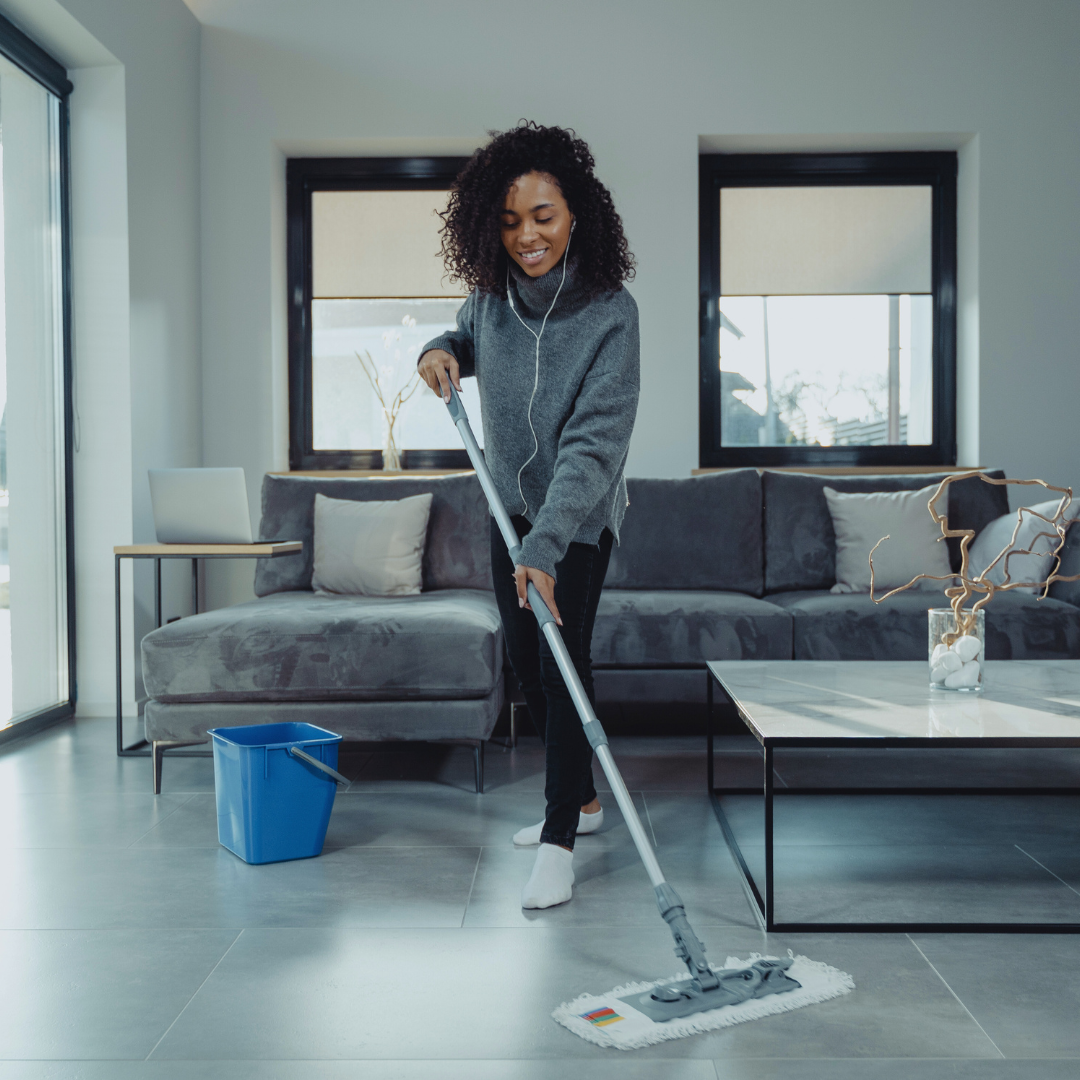
Cleaning hardwood floors safely requires using gentle methods that protect the wood’s finish while removing dirt and grime effectively. The best approach is to avoid harsh chemicals and excessive water, instead opting for a damp mop and pH-neutral cleaner designed for hardwood. This prevents damage like warping or dulling of the surface.
Using the right tools and products makes a significant difference in maintaining the floor’s appearance and durability over time. Simple adjustments to your cleaning routine can extend the life of your hardwood floors without costly repairs or refinishing.
Understanding what to avoid is just as important as knowing what to use. This guide breaks down safe techniques and product recommendations so you can clean with confidence and care.
Understanding Hardwood Floor Types
Hardwood floors come in different constructions and finishes, each requiring specific care methods. Knowing your floor’s material and coating helps ensure it stays in good condition without damage.
Solid vs. Engineered Hardwood
Solid hardwood consists of one single piece of wood, typically 3/4 inch thick. It can be sanded and refinished multiple times, which extends its lifespan. However, it is more sensitive to moisture and temperature changes, making it less ideal for basements or kitchens.
Engineered hardwood features a thin top layer of real wood over plywood or high-density fiberboard. It is more stable in humid environments and less prone to warping. Refinishing options are limited due to the thinner top layer. Both types should be cleaned with pH-neutral products and minimal water.
Common Finishes and Their Care
The most common hardwood finishes include polyurethane, aluminum oxide, and wax. Polyurethane (oil or water-based) forms a hard, protective layer, making floors resistant to scratches and spills. Cleaning requires gentle, nonabrasive methods.
An aluminum oxide finish is often factory-applied on engineered wood. It provides durable protection, but avoid harsh chemicals or steam. Wax finishes need regular buffing and reapplication; avoid water and alkaline cleaners.
Finish Types and Care Summary:
| Finish Type | Durability | Cleaning Tips |
| Polyurethane | High | Use mild detergents, avoid water |
| Aluminum Oxide | Very high | Dust mop, gentle cleaners only |
| Wax | Moderate | Buff regularly, no water |
Identifying Your Floor Type
To identify if your floor is solid or engineered, check the plank thickness and edges. Solid wood is thicker and has square edges, while engineered planks are thinner with tongue-and-groove joints.
Look for branding or documentation from installation. If unknown, test a small hidden area with moisture – engineered wood tolerates it better. You can also tap the floor; solid wood sounds denser, while engineered may sound slightly hollow.
Finish type can be identified by touch and appearance. Waxed floors feel slightly soft or tacky, while polyurethane has a smooth, hard finish. Manufacturer info or flooring professionals can help confirm details.
Essential Tools and Cleaning Products
Using the right products and tools significantly affects the safety and preservation of hardwood floors. Proper selection helps protect the finish and prevents damage like warping or discoloration.
Choosing Safe Cleaning Solutions
Opt for pH-neutral or specifically formulated hardwood floor cleaners. Avoid harsh detergents and ammonia-based products, which can strip the wood’s protective finish.
Diluted white vinegar or a small amount of mild dish soap mixed with water may be used, but sparingly. Always test any cleaner on a small, inconspicuous area first to check for adverse reactions.
Avoid excessive water during cleaning; standing water can cause wood to swell or warp. Use a damp, not soaking wet, mop with your chosen solution.
Recommended Cleaning Equipment
Microfiber mops are ideal because they pick up dust and dirt without scratching the floor. They also retain minimal water, reducing the risk of moisture damage.
Soft-bristle brooms or vacuum cleaners with hardwood floor attachments help remove debris without abrasions. Avoid vacuums with beater bars or stiff brushes.
Use soft, clean cloths for spot cleaning or drying floors after mopping to remove any excess moisture promptly.
Avoiding Harmful Chemicals
Avoid bleach, ammonia, and oil-based soaps; these can damage the finish or leave residues that dull the surface.
Steer clear of wax-based products unless your floor specifically recommends them, as many finishes are incompatible with wax and can become slippery or difficult to clean.
Check product labels for non-toxic, biodegradable ingredients to ensure safety for both floors and indoor air quality.
Daily Maintenance for Hardwood Floors
Consistent care prevents damage and keeps floors looking their best. Focus on removing dirt and debris without scratching or dulling the finish.
Proper Sweeping Techniques
Use a soft-bristle broom designed for hardwood floors. Sweep gently to gather dirt and grit without grinding particles into the surface.
Start at one corner and work toward an exit to avoid stepping on cleaned areas. Regular sweeping reduces wear by preventing abrasive materials from accumulating.
Avoid using stiff brushes or brooms with rough bristles. Dust mopping can complement sweeping for smaller particles.
Effective Dusting Methods
Microfiber dust mops are ideal for capturing fine dust without scratching. Move the mop in smooth, overlapping strokes.
Change or wash the mop head regularly to maintain efficiency. Avoid dry cotton cloths, as they can miss dust or leave fibers behind.
Consider a pad with electrostatic properties for better dust retention. Dusting daily minimizes buildup that could dull the floor’s finish.
Routine Vacuuming Tips
Use a vacuum with a hardwood floor setting or a bare floor attachment to protect the surface. Avoid beater bars or rotating brushes, which may cause scratches.
Vacuum along edges and corners where dust and debris collect. Adjust suction to avoid damage while picking up fine dirt.
Frequency depends on foot traffic, but aim for at least once a week. Regular vacuuming removes particles that sweeping may miss.
Weekly and Deep Cleaning Methods
Regular cleaning keeps hardwood floors in good shape, while occasional deep cleaning addresses buildup and stains. Using the right techniques prevents damage and extends the life of the floor finish.
Safe Mopping Practices
Use a microfiber mop slightly dampened with a hardwood-safe cleaner. Avoid excess water because standing moisture can cause warping or discoloration.
Mop in the direction of the wood grain to pick up dirt more effectively. Change water frequently during cleaning to avoid redistributing dirt.
Avoid harsh chemicals such as ammonia or bleach, which can strip the finish. Instead, choose pH-neutral products designed specifically for hardwood.
Allow floors to dry quickly by opening windows or using fans. This reduces the risk of water damage from trapped moisture.
Handling Spills and Stains
Wipe spills immediately with a soft, dry cloth to prevent liquids from penetrating the wood. For sticky substances, dampen the cloth slightly but avoid soaking the area.
For stains, use a gentle cleaner with a soft brush or cloth. Avoid abrasive scrubbing tools, which can scratch the finish.
Tougher stains like ink or pet accidents may require a specialized hardwood stain remover. Always test in an inconspicuous spot first.
Prevent stains by keeping floor mats at entrances and promptly removing dirt and debris.
Dealing with Scuff Marks
Use a soft cloth dampened slightly with water or a hardwood floor cleaner to rub away scuff marks. Gentle rubbing usually lifts the marks without damaging the finish.
For stubborn marks, a melamine foam eraser (magic eraser) can be effective, but test carefully to avoid dulling the surface.
Avoid using steel wool or abrasive pads as they can scratch the floor.
Apply a small amount of hardwood floor polish sparingly to conceal minor scuffs and restore shine if needed.
Preventing Damage During Cleaning
Proper care during cleaning is essential to keep hardwood floors in good condition. Focus on controlling moisture, reducing abrasion, and shielding areas with heavy foot traffic.
Managing Moisture Exposure
Excess water causes hardwood to swell, warp, or develop stains. Always use a damp mop instead of a wet one.
Avoid standing water by wringing out cleaning tools thoroughly. Quick evaporation protects the wood’s finish.
Use pH-neutral or hardwood-specific cleaners diluted in water to prevent surface damage. Harsh chemicals can strip protective coatings.
Dry floors immediately after cleaning. A microfiber cloth can help absorb moisture in corners and edges.
Minimizing Scratches
Dirt and grit act like sandpaper when rubbed into the floor. Sweep or vacuum regularly using a soft-bristle attachment.
Avoid dragging heavy furniture or sharp objects across floors. Use furniture pads on chair and table legs.
Choose non-abrasive cleaning tools. Rough brushes or scrubbing pads scratch delicate hardwood surfaces.
Consider a gentle polish every few months to smooth minor scratches and protect the finish.
Protecting High-Traffic Areas
Rugs and mats reduce wear in busy spaces. Place them at entrances and in hallways.
Select non-slip pads under rugs to prevent slipping and to protect floors from friction.
Rearrange furniture occasionally to distribute wear evenly. Avoid concentrated pressure points.
Regularly inspect these zones for early signs of damage to address problems promptly.
Long-Term Care and Preservation
Maintaining hardwood floors over time requires planned upkeep to protect their finish and structure. Regular checks and strategic measures can extend the life and beauty of the wood.
Periodic Refinishing Advice
Refinishing hardwood floors every 7 to 10 years is generally recommended, but frequency depends on wear and traffic. Signs that indicate it’s time to refinish include visible scratches, dullness, or areas where the finish has worn away.
Before refinishing, thoroughly clean the floors and inspect for damage such as deep gouges or stains. Choose a finish compatible with the existing floor—oil-based finishes offer stronger protection, while water-based finishes dry faster and emit fewer fumes. Sanding should be done evenly to avoid uneven surfaces.
Avoid DIY refinishing without experience, as uneven sanding or improper finish application can damage the floor permanently. Hiring a professional ensures proper depth sanding and finish application, which preserves wood integrity and appearance.
Using Protective Mats and Pads
Protective mats reduce wear in high-traffic and entry areas by trapping dirt and moisture. Use non-slip mats made of breathable materials to prevent moisture buildup that could warp the wood. Avoid rubber-backed mats, as they can discolor floors.
Furniture pads made of felt or rubber should be placed under all chair and table legs to prevent scratches during movement. Regularly check these pads and replace them when worn.
Place mats at all exterior doors to limit grit and water. In kitchens and bathrooms, mats help protect floors from water damage where spills are common. Choose mats that cover the floor adequately without hindering foot traffic.
Common Mistakes to Avoid When Cleaning
Using excessive water is a frequent error. Hardwood floors are sensitive to moisture, which can cause warping or damage over time. Always use a damp, not soaked, mop to clean the surface.
Avoid harsh chemicals or abrasive cleaners. Products with ammonia, vinegar, or bleach can strip the finish and dull the wood. Instead, opt for cleaners specifically formulated for hardwood floors.
Skipping regular maintenance is another issue. Dirt and grit act like sandpaper, scratching the floor’s surface. Sweep or vacuum frequently to prevent buildup.
Using rough tools like steel wool or scrubbing brushes can damage the finish. Soft microfiber mops and cloths are safer choices that clean effectively without harming the wood.
Furniture and shoe care also matter. Dragging heavy furniture can cause gouges. Use protective pads under furniture legs and encourage removing shoes to reduce dirt and scuffs.
| Mistake | Impact on Hardwood Floors | Recommended Action |
| Excessive water use | Warping, swelling, finish damage | Use a damp mop, not wet |
| Harsh/abrasive cleaners | Finish stripping, dullness | Use hardwood-specific cleaners |
| Infrequent cleaning | Scratches and dirt buildup | Sweep or vacuum regularly |
| Rough cleaning tools | Surface scratches | Use microfiber cloths and mops |
| Dragging furniture/shoes | Dents and scuffs | Use pads, remove shoes |
Eco-Friendly Cleaning Alternatives
Using natural products to clean hardwood floors reduces exposure to harsh chemicals. White vinegar mixed with water is a popular option. Mix 1 cup of vinegar with 1 gallon of warm water for a gentle, effective cleaner.
Another option is castile soap. Add a few drops to warm water for a mild solution that lifts dirt without damaging the wood finish. Avoid soap residue by wiping the floor dry with a clean cloth.
Essential oils like lemon or tea tree can be added for scent and antibacterial properties. Use just a few drops to avoid buildup or slippery surfaces.
| Alternative | Benefits | Application Tips |
| White Vinegar | Natural disinfectant, removes dirt | Use diluted; avoid excess water |
| Castile Soap | Gentle, biodegradable | Rinse well; dry floors promptly |
| Essential Oils | Adds scent, antibacterial | Add sparingly; mix with water |
Avoid products with ammonia or bleach, as these damage hardwood finishes. Always test any homemade cleaner in a small, hidden area first. This helps ensure no discoloration or damage occurs before full use.