
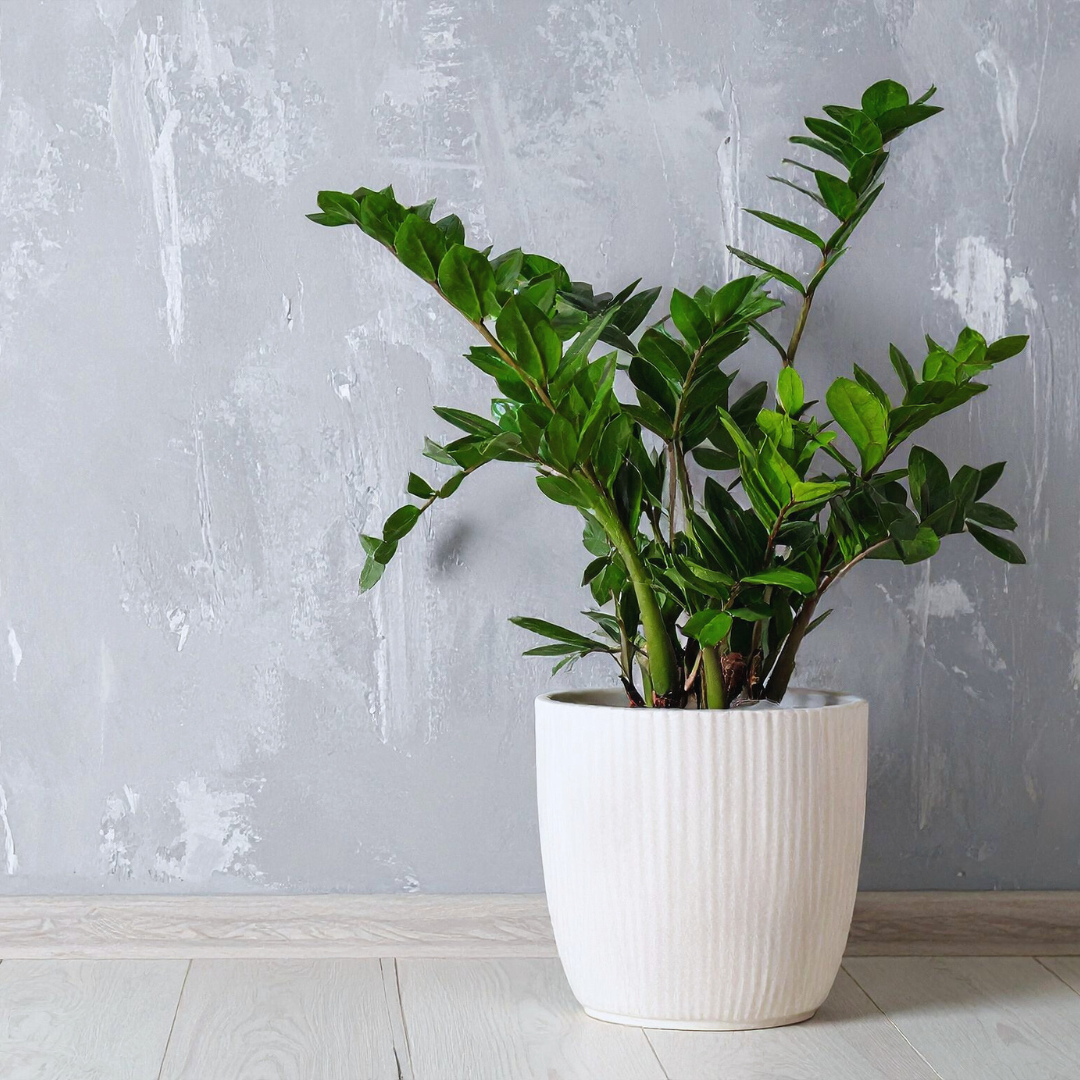
Living in an apartment doesn’t mean you have to miss out on having greenery indoors. Many plants thrive in small spaces and low-light conditions, making them perfect for apartments.
The best indoor plants for apartments are those that require minimal care, tolerate limited sunlight, and fit well in compact areas, such as snake plants, pothos, and ZZ plants. These species not only improve air quality but also add a touch of nature without overwhelming your living space.
Choosing the right plants can transform your apartment into a calming, inviting environment. Understanding which plants suit your space and lifestyle will save you time and effort while ensuring your indoor garden flourishes.
Top Indoor Plants for Apartments
Choosing the right indoor plants can transform your apartment into a vibrant, healthy space. Factors like maintenance, safety for pets, air quality benefits, and size suitability are key to selecting the best options.
Best Low-Maintenance Indoor Plants
Snake plants (Sansevieria) are excellent for beginners thanks to their tolerance for neglect and low water needs. They thrive in low light and can survive weeks without watering.
ZZ plants (Zamioculcas zamiifolia) also require minimal care. They prefer indirect light and only need watering every few weeks. Their waxy leaves resist pests and diseases.
Pothos plants grow well in various light conditions and recover quickly from underwatering. Their trailing vines work well in hanging baskets or shelves.
Pet-Friendly Apartment Plants
Spider plants (Chlorophytum comosum) are non-toxic to cats and dogs and have air-purifying properties. They grow quickly and are easy to propagate.
Areca palms (Dypsis lutescens) add a tropical feel and are safe for pets. They require moderate light but improve humidity and air quality.
Bamboo palms (Chamaedorea seifrizii) are another pet-safe option. They thrive in indirect light and can help filter indoor air pollutants.
Air-Purifying Indoor Plant Choices
Peace lilies (Spathiphyllum) remove toxins like formaldehyde and benzene but require consistent watering and indirect light. They also bloom white flowers that brighten any room.
Boston ferns (Nephrolepis exaltata) add humidity while purifying air. They need moist soil and indirect light, suiting bathrooms or kitchens.
Rubber plants (Ficus elastica) tolerate low light and actively reduce airborne toxins. Their thick leaves need infrequent—but deep—watering.
Compact Plants for Small Spaces
Succulents like Echeveria and Haworthia stay small and need bright, direct light but minimal watering. Their size fits well on windowsills or desks.
Miniature ferns such as bird’s nest fern (Asplenium nidus) offer lush foliage without taking much room. They prefer indirect light and moderate humidity.
Air plants (Tillandsia) require no soil and can be displayed creatively on walls or shelves. Light misting once a week supports their growth in tight spaces.
Essential Care Tips for Apartment Plants
To maintain healthy indoor plants, focus on controlling light exposure, managing water and humidity accurately, and using the right soil and fertilizers. Proper attention in these areas helps plants thrive in the limited space of apartments.
Optimal Light Levels for Indoor Plants
Plants vary in their light needs. Low-light-tolerant species like snake plants and pothos thrive in shaded corners, whereas succulents and cacti require bright, direct sunlight near windows.
Measure natural light intensity by observing window orientation: south-facing windows provide the most light; north-facing windows offer the least. Adjust plant placement accordingly to prevent leaf burn or weak growth.
Artificial grow lights can supplement insufficient natural light. Use LED grow lights with a full spectrum for 8-12 hours daily if natural light is inadequate. Rotate plants regularly to ensure even growth on all sides.
Watering and Humidity Management
Over- and underwatering are common issues. Check soil moisture by inserting your finger about an inch deep; water only when dry at that depth. Use pots with drainage holes to avoid waterlogging.
Humidity needs differ: tropical plants like ferns benefit from 50-60% humidity, which can be achieved with a humidifier or pebble trays with water. Succulents and cacti prefer drier air and less frequent misting.
Consistency is key. Water schedules vary by season, location, and plant species, but err on the side of less water to prevent root rot. Adjust based on visual cues like drooping or yellow leaves.
Soil and Fertilizer Guidance
Use well-draining potting mixes appropriate for the plant species: cactus mix for succulents, and standard indoor potting soil for foliage plants. Avoid outdoor garden soil, which often compacts and retains too much moisture.
Fertilize during the growing season (spring and summer) with a balanced, water-soluble fertilizer diluted to half strength every 4-6 weeks. Stop or reduce feeding during fall and winter when plant growth slows.
Check plant response to fertilizer. Signs of over-fertilizing include brown leaf tips and salt buildup on the soil surface. Flush soil with water if salts accumulate to protect roots.
Choosing the Right Plant for Your Apartment
Understanding your apartment’s light, space, and routine will guide you to appropriate plants. Knowing how each factor affects plant health helps avoid common problems like wilting or slow growth.
Assessing Your Apartment’s Environment
Begin by examining the amount and type of natural light your space receives daily. North-facing windows provide low light, while south-facing ones offer bright, direct sunlight. This impacts which plants will thrive; for example, snake plants do well in low light, whereas succulents prefer bright spots.
Consider temperature fluctuations and humidity levels. Apartments may vary from room to room, especially near heating vents or drafty windows. Plants like pothos tolerate varying conditions, but ferns require consistent humidity. Measuring these factors ensures you select plants suited to your environment.
Selecting Plants Based on Room Placement
The room where you place your plant affects its growth and care needs. Living rooms often have larger spaces and better light, ideal for statement plants like fiddle leaf figs. Bathrooms usually have high humidity but limited light, making ferns and air plants good choices.
Take note of available space: small apartments may benefit from vertical or hanging plants to save floor area. Also, consider pets or children; some plants, like philodendrons, can be toxic. Matching plant type to room conditions helps maximize health and safety.
Matching Plants with Lifestyle and Schedule
Choose plants that fit your time availability and care skills. If you have a busy schedule, low-maintenance plants like ZZ plants or succulents require minimal watering and attention. Frequent travelers might prefer drought-tolerant species.
Assess your willingness to regularly prune, repot, or fertilize. Some plants demand detailed care, such as orchids, which need specific humidity and light cycles. Realistic care plans reduce stress and improve plant longevity.
Decorating Your Apartment with Indoor Plants
Indoor plants can elevate your living space both visually and functionally. Strategic placement and thoughtful choices in planters enhance your apartment’s style while fitting the constraints of limited space. Lighting, texture, and accessibility are key when integrating plants into your decor.
Creating Stylish Plant Displays
Arrange plants in groups of varying heights and leaf shapes to add dimension to any room. Using a combination of floor plants, tabletop options, and hanging varieties forms a balanced display. Avoid overcrowding; leave enough space for air circulation and growth.
Choose surfaces like shelves, window sills, or coffee tables as dedicated plant zones. Use trays or stands to neatly organize smaller pots. Consider incorporating decorative elements such as stones, pebbles, or small sculptures to complement the plants.
Maximizing Vertical Space with Plants
Tap into vertical space by using wall-mounted planters or hanging pots. This approach frees floor area and adds greenery at eye level. Shelves with staggered heights can hold multiple plants without cluttering surfaces.
Trellises or lattice panels support climbing plants, introducing natural lines and texture along walls. Vertical gardens or pocket planters are also effective for small apartments, allowing multiple plants to thrive in a compact setup.
Using Planters and Pots for Design Impact
Select planters that align with your apartment’s aesthetic—materials like ceramic, terracotta, or metal offer different textures and styles. Neutral colors blend into minimal designs while bold hues can create eye-catching accents.
Size matters; larger pots accommodate root growth but should match the plant type and available space. Self-watering pots reduce maintenance, ideal for those with busy schedules. Grouping pots of varying heights and shapes adds visual interest and depth.
Troubleshooting Common Apartment Plant Issues
Effective care involves recognizing pests early and addressing leaf problems promptly. Understanding pest control methods and proper watering or light adjustments can restore plant health quickly.
Preventing and Treating Pests
Common apartment plant pests include spider mites, aphids, and mealybugs. Inspect new plants before bringing them inside to avoid infestations. Regularly check the undersides of leaves and stems for tiny webs or white fuzzy spots.
To treat pests, use insecticidal soap or neem oil. Spray affected plants thoroughly every 5-7 days until pests disappear. Isolate infested plants to prevent spread.
Improving air circulation and avoiding overwatering can reduce pest attraction. Clean leaves gently with a damp cloth to remove dust and pests. Avoid chemical pesticides indoors unless necessary.
Dealing with Yellowing or Wilting Leaves
Yellow leaves usually indicate overwatering, underwatering, or nutrient deficiency. Check soil moisture by touching it; soggy soil means overwatering, dry soil means underwatering.
Wilting can result from insufficient light or root damage. Move plants closer to natural light sources if leaves pale or droop.
Remove yellow or dead leaves to redirect energy. Fertilize monthly during growing seasons with balanced fertilizer. Adjust care routines as needed based on plant species requirements.
Consistent watering schedules and proper drainage prevent root rot and leaf damage.
Benefits of Having Indoor Plants in Apartments
Indoor plants offer practical advantages that impact both mental and physical well-being. They also contribute to cleaner, fresher air within confined living spaces.
Health and Wellness Advantages
Plants can reduce stress by creating a calm environment. The presence of greenery has been shown to lower cortisol levels, which helps manage anxiety.
Caring for plants encourages routine and mindfulness. This can improve focus and enhance mood by providing a sense of accomplishment.
Some studies suggest plants help reduce symptoms of depression and boost overall emotional health. They are also useful for improving sleep quality when placed in bedrooms.
Improving Indoor Air Quality
Many indoor plants absorb toxins and chemicals such as formaldehyde, benzene, and ammonia. These pollutants often come from furniture, paint, and cleaning products.
Plants release oxygen and increase humidity through transpiration. This helps offset dry air caused by heating or air conditioning systems.
Common apartment-friendly plants like snake plants, pothos, and spider plants are effective at filtering air. Regularly maintaining these plants ensures consistent air quality benefits.
Sustainable Apartment Gardening Practices
Choosing the right materials and methods can reduce waste and conserve resources in apartment gardening. Efficient use of soil and water directly impacts both plant health and environmental footprint.
Eco-Friendly Potting Solutions
Using biodegradable pots made from coconut coir, peat alternatives, or recycled cardboard reduces plastic waste. These materials break down naturally, supporting root growth without harmful chemicals.
Repurposing containers such as glass jars, tin cans, or old bowls can also save money and reduce landfill contributions. Be sure to add drainage holes to avoid waterlogging roots.
Compost mixed into potting soil improves nutrient content and structure. Avoid synthetic fertilizers when possible, opting for organic options like worm castings or fish emulsion.
Water-Saving Techniques
To conserve water, use pots with self-watering features or insert a reservoir. This allows plants to absorb only what they need and reduces runoff.
Grouping plants with similar watering needs limits overwatering. Monitor soil moisture with a simple finger test or moisture meter.
Collect and reuse water from dehumidifiers or rain catchment systems. Float water trays under pots to retain evaporation. These tactics lower water consumption while keeping plants healthy.