
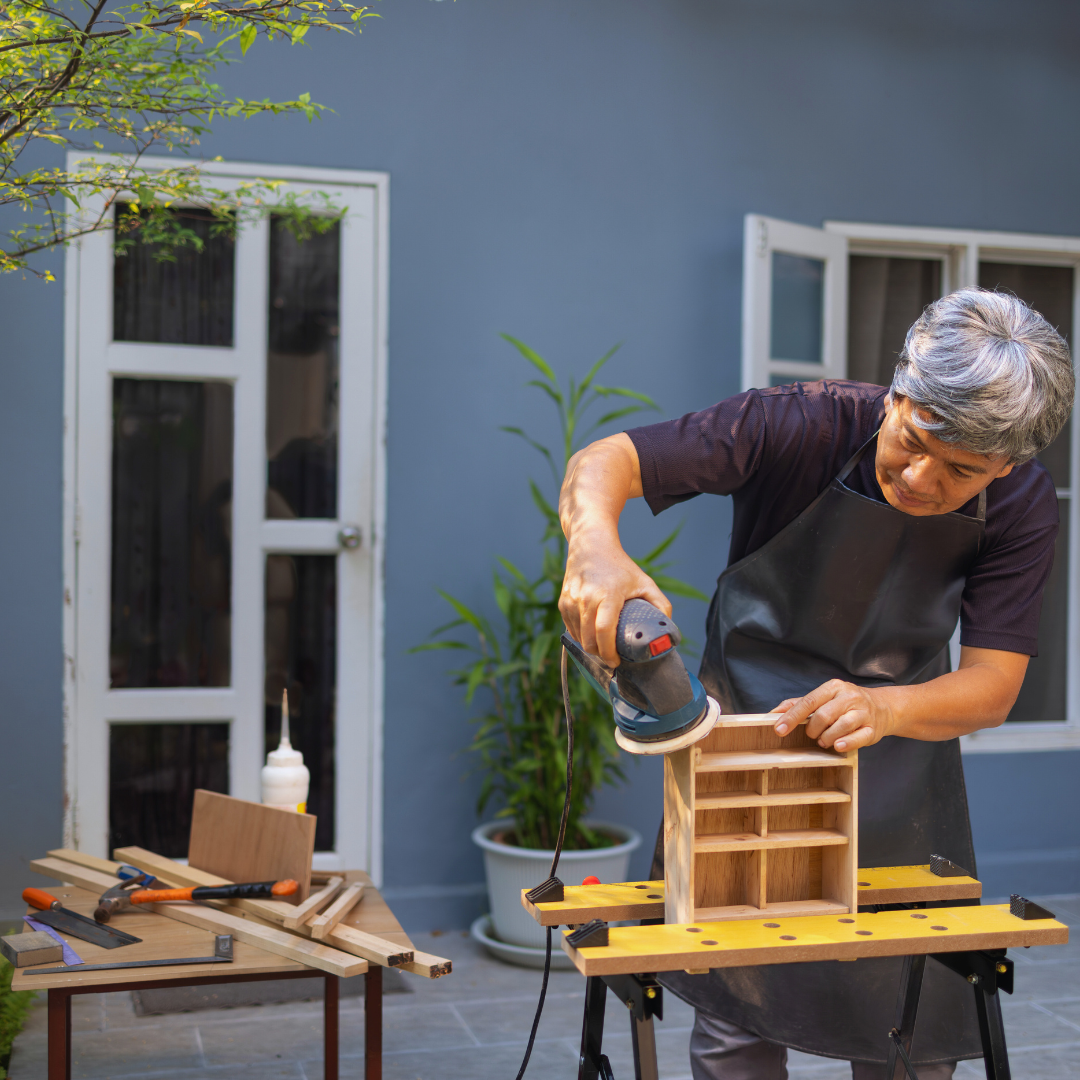
Woodworking can be an inviting and rewarding hobby, especially for those looking to create something unique for their home. With a variety of DIY projects to choose from, beginners can easily find tasks that match their skill level and available tools. Engaging in these five beginner-friendly woodworking projects not only enhances creativity but also adds functional and decorative pieces to living spaces.
These projects range from simple furniture to small decorative items, all designed to build confidence while learning essential woodworking techniques. Each project offers an opportunity to explore different types of wood and tools, ensuring a comprehensive introduction to the craft. By choosing projects that are manageable yet fulfilling, anyone can experience the satisfaction of crafting beautiful wood items for their home.
Exploring woodworking opens doors to endless creative possibilities. Each project not only strengthens skills but also provides a tangible product to enjoy or gift, making it a perfect pastime for any homeowner looking to add a personal touch to their space.
Essential Tools and Materials for Beginner Woodworking
Starting woodworking entails selecting appropriate materials and gathering essential tools. Understanding these components is crucial for any beginner who wants to embark on woodworking projects successfully.
Selecting the Right Lumber
Choosing the right lumber is the foundation of a successful woodworking project. Common options include pine, birch, and oak. Each type has its own characteristics, such as weight, durability, and ease of working with.
- Pine is lightweight and affordable, making it ideal for beginners.
- Birch offers a balance of hardness and workability.
- Oak is dense and sturdy but may require more effort to cut and shape.
When shopping, look for straight boards with minimal knots and defects. These quality pieces ensure better results and ease in handling.
Basic Hand Tools Every Beginner Needs
A handful of basic hand tools is sufficient to start woodworking. Here are the essentials:
- Saw: A hand saw or crosscut saw is necessary for cutting lumber.
- Hammer: A claw hammer is ideal for driving nails and assembling pieces.
- Chisels: A set of chisels allows for detailed work and fine adjustments.
- Square and Level: These tools ensure accuracy in cuts and assembly.
Investing in quality tools enhances the woodworking experience. Proper maintenance, such as sharpening saw blades and keeping chisels clean, prolongs tool life.
Understanding Joinery Techniques
Joinery refers to the methods used to connect pieces of wood. Beginners should familiarize themselves with a few fundamental techniques:
- Butt Joint: The simplest form where two pieces meet at their ends.
- Dowel Joint: Involves drilling holes and using dowels to align and reinforce connections.
- Mortise and Tenon: A stronger joint that fits a protruding tenon into a cavity, ideal for furniture.
Mastering these techniques helps create sturdy projects. Practicing each method will build confidence and skill in executing more complex woodworking tasks.
Step-by-Step Instructions for 5 Easy Woodworking Projects
The following instructions outline how to create simple shelves and DIY cutting boards. These projects are designed for beginners, providing clear steps to achieve successful results.
Simple Shelves
- Materials Needed:
- Wooden boards (1×10 inches)
- Brackets
- Screws
- Sandpaper
- Wood finish (optional)
- Cutting the Wood:
- Measure and cut the boards to the desired length, typically around 24 to 36 inches.
- Sanding:
- Use sandpaper to smooth all edges and surfaces.
- Mounting Brackets:
- Secure the brackets onto the wall using a level to ensure they are straight.
- Attaching the Shelf:
- Place the board on the brackets and attach it with screws.
- Finishing Touches:
- Optionally, apply a wood finish for a polished look.
DIY Cutting Boards
- Materials Needed:
- Hardwood (like maple or walnut)
- Wood glue
- Clamps
- Sandpaper
- Mineral oil (for finishing)
- Cutting the Wood:
- Cut the wood into strips about 1 inch wide.
- Gluing Strips Together:
- Apply wood glue along the edges of each strip and clamp them together. Allow drying for several hours.
- Sanding:
- Once dry, sand the board using progressively finer sandpaper until smooth.
- Finishing:
- Apply mineral oil to enhance the wood’s appearance and protect it.
- Final Steps:
- Wipe off excess oil and let the cutting board cure before use.
These projects can enhance home functionality while improving woodworking skills.
Creative Woodworking Ideas for Home Improvement
Woodworking projects can enhance any home while providing a sense of accomplishment. The following ideas focus on combining creativity with functionality, allowing individuals to improve their living spaces effectively.
Picture Frames for Personal Touch
Creating custom picture frames adds a personal touch to any room. A simple frame can be made from reclaimed wood or new lumber, depending on the desired look.
Materials Needed:
- Wood boards (1×3 or 1×2 inches)
- Wood glue
- Sandpaper
- Paint or stain
Steps:
- Measure and cut the wood to fit the desired photo size.
- Assemble the frame using wood glue, securing the corners tightly.
- Sand the edges to create a smooth finish.
- Optionally, paint or stain for a polished appearance.
Using various wood types can further enhance the visual appeal, making any photograph stand out.
Building a Compact Workbench
A compact workbench is essential for any woodworking enthusiast. It provides a stable surface for various projects, from crafting to repairs.
Materials Required:
- Plywood or MDF for the top
- 2×4 lumber for the frame
- Wood screws and brackets
Construction Steps:
- Determine the dimensions based on space availability.
- Construct a sturdy frame using 2x4s, ensuring it can support heavy projects.
- Attach the plywood or MDF top securely.
- Add shelves or drawers for tools and materials to maximize efficiency.
This project not only enhances workspace organization but also contributes significantly to home functionality.
Beginner Tables for Everyday Use
Making tables is a rewarding woodworking project that benefits any home. Simple designs cater to versatile uses, from dining to accent tables.
Essential Materials:
- Wood boards (such as pine or oak)
- Wood screws
- Wood finish (optional)
Building Process:
- Choose a design that suits the purpose; a rectangular or round top is simple to work with.
- Cut the wood pieces to size and assemble the tabletop and legs using wood screws.
- Sand the surfaces for a smooth finish.
- Optionally, apply a wood finish for durability.
These tables not only serve functional needs but also enhance the aesthetic of any room.