
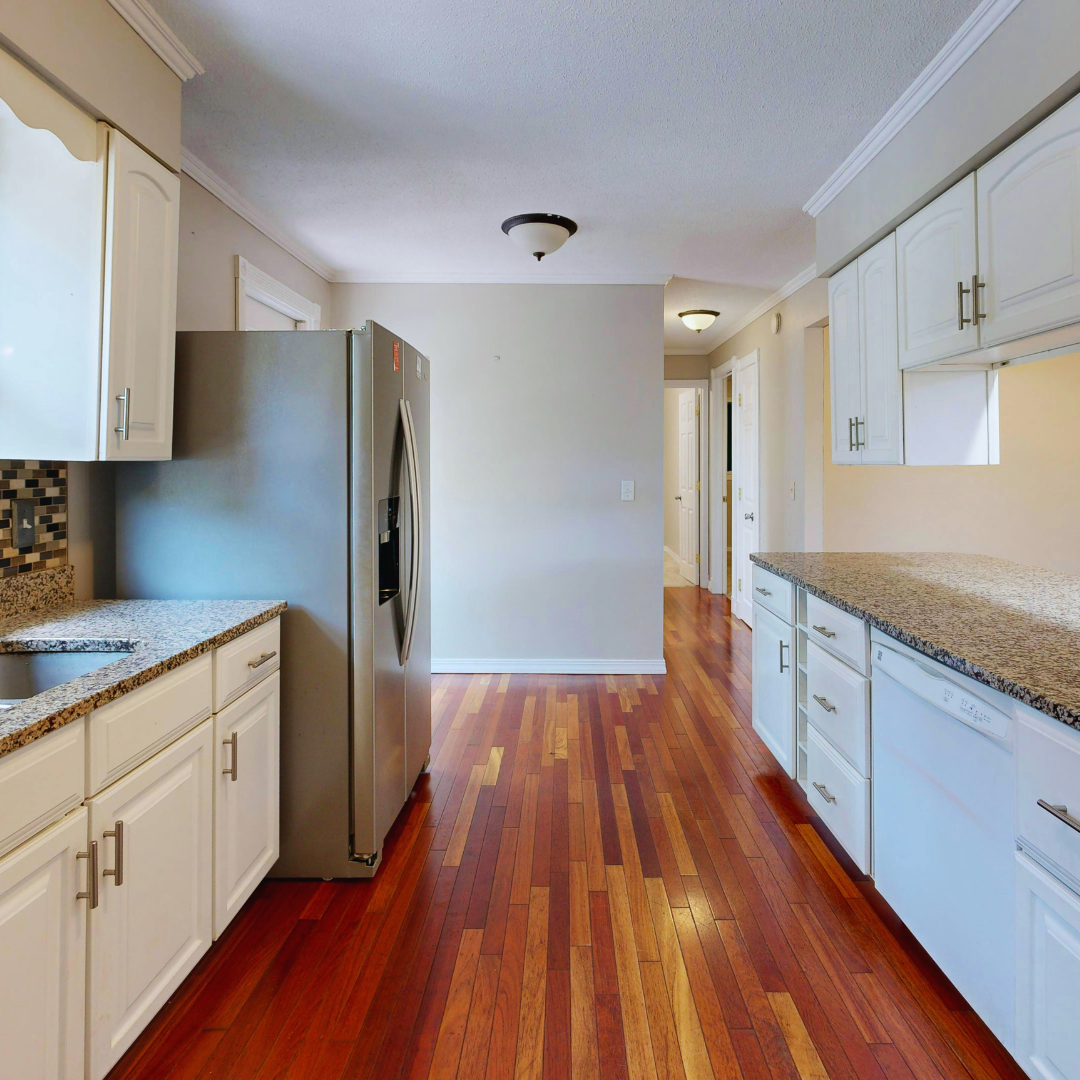
Choosing the best flooring for a kitchen comes down to durability, water resistance, and ease of cleaning. Materials like ceramic tile, vinyl, and hardwood often top the list because they balance these needs effectively. Each option offers distinct benefits depending on style preferences and budget.
Ceramic tile is highly durable and water-resistant, making it ideal for busy kitchens. Vinyl flooring provides comfort underfoot and is budget-friendly, while hardwood adds warmth and value but requires more maintenance.
Understanding these key differences helps in making a practical decision that fits both lifestyle and kitchen demands. The right flooring will protect your investment and enhance daily use.
Key Factors to Consider When Choosing Kitchen Flooring
Selecting kitchen flooring requires balancing practical needs with style preferences. Factors like moisture resistance, durability, ease of cleaning, comfort, and safety determine how well the floor performs in a busy kitchen environment.
Moisture Resistance
Kitchens are prone to spills, splashes, and humidity, making moisture resistance a critical feature. Flooring materials like ceramic tile, vinyl, and sealed hardwood can withstand water exposure without warping or staining.
Unsealed wood or laminate flooring is vulnerable to water damage, leading to swelling or mold growth. Porcelain tiles and luxury vinyl flooring offer excellent resistance, making them suitable for frequent spills.
Consider also the sealing process for stone or wood tiles. Proper sealing enhances moisture resistance but requires periodic maintenance to remain effective.
Durability and Wear
Kitchen floors endure heavy foot traffic, dropped objects, and moving appliances. Durable materials like porcelain tile, natural stone, and commercial-grade vinyl resist scratches and dents.
Hardwood floors can last decades, but may show wear faster if not properly maintained. Laminates vary in quality but generally resist wear well in kitchens.
For high-traffic kitchens, durability ratings like the Abrasion Class (AC) rating on laminates or the PEI rating on tile indicate how well the floor can handle wear. Choose flooring with a higher rating for longevity.
Ease of Cleaning
Kitchen floors often accumulate food crumbs, grease, and dirt, making cleaning an important consideration. Non-porous surfaces like glazed ceramic or porcelain tiles and vinyl simplify routine cleaning.
Floors with textured finishes can trap dirt and require more thorough cleaning methods. Wood floors may need specialized cleaners to avoid damage.
Routine care typically involves sweeping and mopping with mild detergents. Avoid harsh chemicals that can deteriorate sealants or surface finishes.
Comfort and Safety
Standing on hard flooring for extended periods can cause discomfort. Softer flooring materials like cork or cushioned vinyl reduce fatigue.
Slip resistance is vital in kitchens to prevent falls. Textured or matte finishes offer better grip, especially when wet.
Avoid overly slick surfaces like polished stone or high-gloss tile. Adding anti-slip mats in work areas can enhance safety without compromising design.
Popular Kitchen Flooring Materials
Choosing kitchen flooring involves balancing durability, water resistance, and style. Some options excel in handling spills, while others offer a warmer aesthetic or easier installation.
Porcelain and Ceramic Tile
Porcelain and ceramic tiles are highly durable and resistant to moisture. They stand up well to spills, stains, and heavy foot traffic, making them ideal for kitchens.
Porcelain tiles tend to be denser and less porous than ceramic, offering better water resistance. Both come in a wide variety of colors, patterns, and textures to match different kitchen styles.
Installation requires a solid subfloor and professional grouting to ensure longevity. Tiles can feel cold and hard underfoot, but radiant heating can be installed beneath to offset this.
Luxury Vinyl Plank
Luxury Vinyl Plank (LVP) mimics the look of hardwood or stone with waterproof surfaces suitable for kitchen use. It’s softer and warmer underfoot compared to tile.
LVP offers easy installation, often with click-lock designs, making it a popular DIY choice. It is scratch-resistant and easy to clean, handling normal kitchen wear effectively.
In terms of maintenance, it requires no sealing or special cleaners. The material is less prone to cracks or chips than tile, but does not have the high heat resistance of natural stone.
Engineered Hardwood
Engineered hardwood features a real wood veneer over plywood layers, providing better moisture resistance than solid wood. It brings natural warmth and texture to kitchens.
This flooring requires acclimation and professional installation to reduce warping risks in humid environments. While more resistant to moisture than solid hardwood, spills should still be wiped promptly.
Engineered hardwood is available in various wood species and finishes, allowing customization for different interior designs. Periodic refinishing may be possible depending on the veneer thickness.
Comparing Flooring Options for Kitchen Use
Different flooring materials vary widely in durability, maintenance, cost, and ease of installation. Understanding these factors helps match the right material to your kitchen’s demands and budget.
Pros and Cons of Each Material
- Tile: Highly durable and water-resistant. Offers many design options, but it can be cold and hard underfoot. Grout may require regular cleaning.
- Vinyl: Affordable and water-resistant with good comfort. Can be less durable than tile or wood. Susceptible to tears or dents.
- Hardwood: Warm and attractive with a long lifespan if maintained. Sensitive to moisture and scratches. Needs sealing to prevent damage.
- Laminate: Cost-effective and mimics wood or tile appearance. Resistant to scratches but less water-tolerant. Can warp if exposed to excess moisture.
- Stone: Very durable and unique. Expensive, cold, and requires sealing to prevent staining.
Cost Considerations
Tile and stone typically rank highest in initial cost, averaging $5-$15 per square foot, depending on quality. Vinyl and laminate range from $1.50 to $5, making them budget-friendly.
Hardwood floors fall in the middle, usually $4-$10 per square foot, but may need refinishing over time, adding future costs.
Installation charges also vary. Natural stone and tile can increase the total cost due to complexity, while vinyl and laminate usually involve lower labor fees.
Installation Requirements
Tile and stone require precise subfloor preparation and skilled labor for grout and sealing. Improper installation risks cracking and water damage.
Vinyl and laminate offer DIY-friendly options with click-lock systems, reducing labor time. Subfloor must be smooth to avoid surface imperfections.
Hardwood installation often involves nailing or gluing planks and may need acclimation time before installation to prevent warping.
Each material’s installation affects both the project’s timeline and total expense.
Design and Style Choices for Kitchen Flooring
The design and style of kitchen flooring play a key role in both aesthetics and functionality. Selecting the right color, pattern, and texture ensures the floor complements the kitchen’s overall look while meeting practical needs.
Color and Pattern Selection
Color significantly influences how spacious and bright a kitchen feels. Light tones like beige, soft gray, or pale wood can make small kitchens appear larger. Darker colors, such as charcoal or deep brown, add warmth but might make a space feel smaller.
Patterns add personality and can disguise dirt or wear. Popular patterns include herringbone, chevron, and classic tile grids. For a bold statement, geometric or mosaic designs work well. Consistency with wall and cabinet tones helps maintain harmony.
Consider durability too; patterned floors can mask scratches better than plain ones. Using contrast levels strategically can guide eye movement and highlight kitchen features.
Matching Flooring With Kitchen Décor
Flooring should integrate smoothly with cabinets, countertops, and backsplash choices. For example, natural wood floors pair well with rustic or farmhouse-style kitchens. Sleek, polished tiles suit modern and minimalist designs.
When mixing materials, choose complementary shades. A white marble countertop looks balanced next to gray porcelain tiles. Avoid stark contrasts that disrupt visual flow unless deliberately using floors as a focal point.
Matching styles also means coordinating textures. Matte flooring often suits casual kitchens, while glossy finishes align better with contemporary spaces. Balance functionality and style by aligning flooring to the kitchen’s primary design elements.
Texture and Finish Options
Texture affects both appearance and safety. Smooth finishes like polished stone or high-gloss tiles provide a sleek look but can be slippery. Textured surfaces, such as matte or brushed finishes, increase slip resistance.
Wood flooring varies from smooth, sanded surfaces to hand-scraped textures, adding depth and character. Vinyl often features embossed textures that mimic natural materials without the slip risk.
Finish choices impact maintenance needs. Glossy floors show scratches and dirt more easily, requiring frequent cleaning. Matte or textured finishes conceal imperfections and require less upkeep, ideal for busy kitchens.
Eco-Friendly and Sustainable Flooring Choices
Sustainable kitchen flooring options prioritize renewable resources, durability, and minimal environmental impact. They fit different budgets and style preferences while reducing carbon footprints and waste.
Bamboo Flooring
Bamboo is a fast-growing grass that regenerates without replanting, making it highly renewable. It has a hardness comparable to traditional hardwoods like oak, providing durability for busy kitchens. Bamboo flooring is typically available in strand-woven or horizontal/vertical grain styles.
It resists moisture better than many hardwoods but still requires sealing to prevent water damage in kitchens. Bamboo floors are easy to clean and maintain, making them practical. Choose products certified by the Forest Stewardship Council (FSC) to ensure responsible harvesting.
Cork Flooring
Cork is harvested from the bark of cork oak trees without cutting down the tree, allowing repeated harvests every 9-12 years. This makes cork a renewable and sustainable option. Cork provides a softer, cushioned feel underfoot, which can reduce fatigue during long cooking sessions.
It is naturally antimicrobial and resistant to mold and mildew, making it beneficial in kitchen environments. Cork is moderately water-resistant if properly sealed, but can be vulnerable to standing water. It also offers good thermal and sound insulation properties.
Recycled and Reclaimed Materials
Flooring made from recycled or reclaimed materials reduces waste and the demand for virgin resources. Common options include reclaimed hardwood, rubber, glass, and composite tiles.
Reclaimed hardwood floors come from salvaged old buildings, preserving unique character often unavailable in new wood. Recycled rubber tiles provide durability and slip resistance, suitable for high-traffic kitchens. Recycled glass tiles add color and are heat- and moisture-resistant.
Specifications to verify include recycled content percentages and certifications verifying environmentally responsible practices. These materials often require professional installation but can provide distinctive aesthetics.
Long-Term Care and Maintenance Tips
Proper cleaning routines extend the life of kitchen flooring. Use a soft broom or vacuum regularly to remove dirt and debris. Avoid harsh chemicals; mild soap and water usually work best.
Different materials require specific care. For example, hardwood benefits from periodic polishing, while tile grout may need deep cleaning to prevent staining. Always follow manufacturer recommendations for products.
Preventative measures help maintain floor appearance. Use mats at entrances to catch dirt and moisture. Avoid dragging heavy furniture to reduce scratches and dents.
| Flooring Type | Maintenance Tips | Avoid |
| Hardwood | Sweep daily, polish occasionally | Excess water, harsh soap |
| Tile | Clean grout, mop regularly | Abrasive tools |
| Vinyl | Mop with mild detergent | Wax, strong solvents |
| Laminate | Dry mop, spot clean spills | Saturating water |
Repairs should be addressed early. Cracks or chips in tile and wood can worsen if ignored. Regular inspections help catch small issues before they require costly fixes.
Common Mistakes to Avoid With Kitchen Flooring
One common mistake is choosing flooring that is not water-resistant. Kitchens often experience spills and moisture, so floors like hardwood or certain laminates may warp or stain if they are not properly sealed.
Ignoring slip resistance can create safety hazards. Glossy or highly polished floors might look appealing, but they increase the risk of slips, especially when wet. Opt for materials with built-in texture or opt for anti-slip treatments.
Another issue is selecting flooring solely on appearance without considering durability. Kitchens endure heavy foot traffic and dropped utensils. Floors that show scratches or dents easily will require more maintenance.
Improper installation can ruin even the best flooring choices. Gaps, uneven surfaces, or poor sealing can lead to moisture damage and shortened lifespan. Always opt for professional installation or carefully follow manufacturer guidelines.
Cost is often underestimated. Cheaper floors might save money upfront, but can cost more in repairs. Conversely, very expensive flooring doesn’t always guarantee the best performance for kitchen conditions.
| Mistake | Impact | Tip |
| Poor water resistance | Warping, staining | Choose waterproof or well-sealed options |
| Ignoring slip resistance | Safety hazard | Select textured, anti-slip flooring |
| Overlooking durability | Frequent repairs, scratches | Prioritize durable materials |
| Improper installation | Damage, uneven floors | Use professional installers |
| Underestimating cost | Unexpected expenses | Balance quality and budget |