
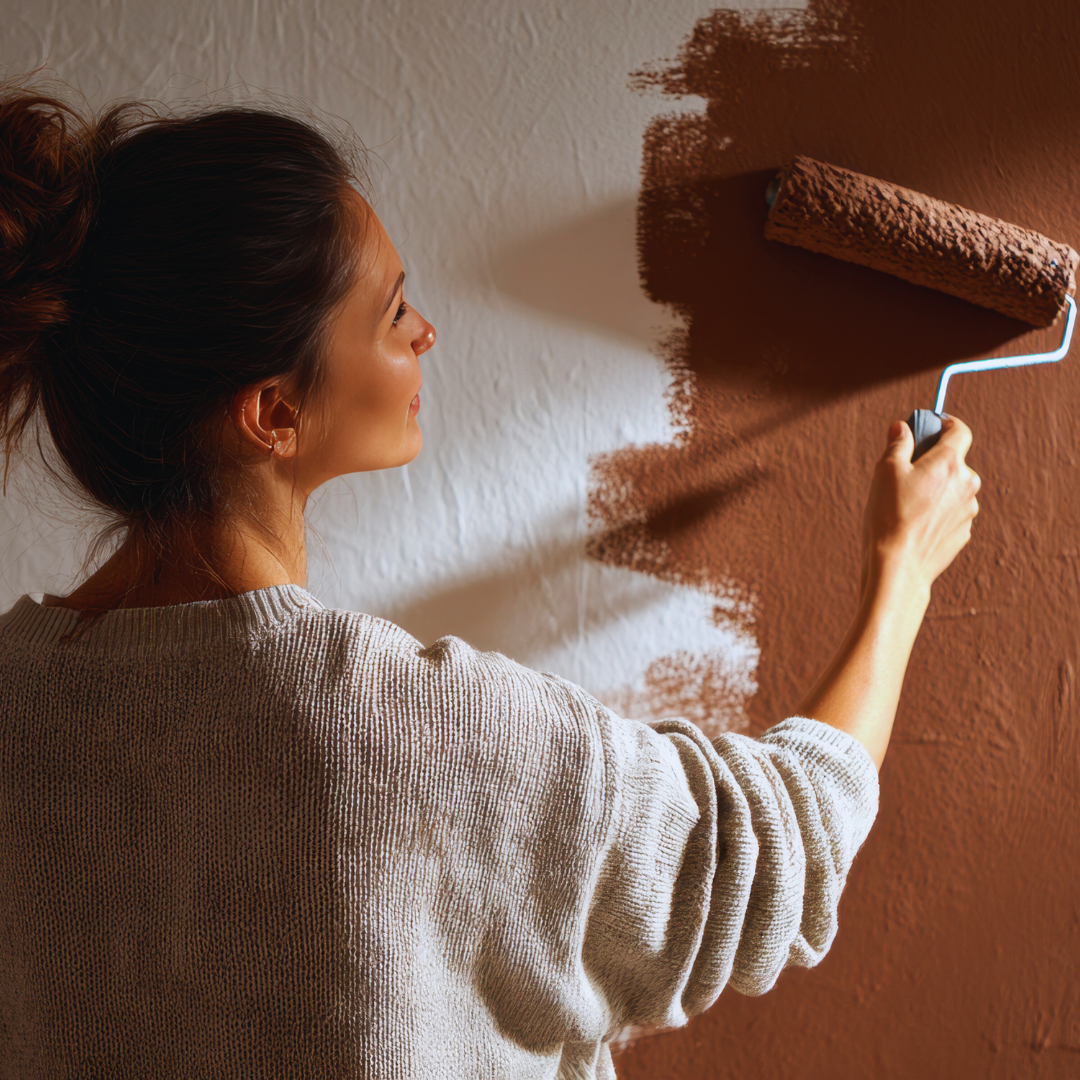
Home improvement doesn’t have to drain your wallet. Focusing on cost-effective projects can boost your home’s value and comfort without overspending. Some of the best budget-friendly upgrades include fresh paint, updated lighting, and simple landscaping.
These projects improve aesthetics and functionality with minimal investment, making them ideal for any homeowner. Choosing the right improvements can transform your space efficiently and economically.
What Defines a Budget Home Improvement Project
A budget home improvement project balances cost, impact, and effort to enhance a home’s functionality or appearance without excessive spending. These projects focus on affordability, practicality, and measurable benefits to the homeowner.
Key Criteria for Budget-Friendly Improvements
Budget-friendly improvements typically cost under $1,000, though this threshold varies by region and project scope. They emphasize affordable materials and tools while avoiding major structural changes.
The projects often target visible or high-impact areas like kitchens, bathrooms, or curb appeal. Another key is simplicity in design and execution, making DIY approaches or quick contractor jobs feasible.
Time and labor investment are moderate to low, preventing excessive expenses. Safety and code compliance remain essential, ruling out any shortcuts that could lead to higher costs.
Typical Costs and Savings
Common budget upgrades such as painting walls, replacing fixtures, or adding backsplash typically range from $100 to $800. On average, these improvements can boost home value between 2% and 5%, depending on the project and market.
Energy-efficient projects, like installing LED lighting or weather stripping, usually cost less than $200 but reduce utility bills by 10-15% annually. Some updates have nearly immediate payback, while others contribute incremental value over time.
Tracking both upfront costs and long-term savings helps quantify project worth. Maintenance or repair expenses also factor into cost-effectiveness, influencing overall savings.
How Small Updates Add Value
Small upgrades improve aesthetic appeal and functionality without renovation hassle. Examples include replacing hardware, updating lighting, or refinishing cabinets.
These changes refresh spaces, making them more attractive to potential buyers or simply improving daily living. They also signal ongoing maintenance and care, factors that positively impact resale value.
Incremental improvements accumulate over time, creating a more modern and comfortable home environment. This strategy stretches limited budgets while avoiding debt or major disruptions.
Popular Interior Home Improvements on a Budget
Small changes can make a big difference in the look and feel of your home without breaking the bank. Focusing on paint, flooring, and lighting helps create a fresh, updated space with manageable costs and effort.
Painting and Wall Treatments
Painting is one of the most cost-effective ways to transform a room. Choose neutral or light colors to brighten spaces and create a sense of openness. Accent walls with bold shades or textured paint can add personality without needing full-room coverage.
Wall treatments like peel-and-stick wallpaper or removable decals offer easy customization without permanent commitment. These options require minimal tools and skills, making them ideal for renters or first-time DIYers.
Preparation is key: clean surfaces, repair holes, and use painter’s tape for sharp lines. Quality paint and brushes ensure smoother application and longer-lasting results.
Affordable Flooring Updates
Updating flooring doesn’t always mean replacing everything. Peel-and-stick vinyl tiles or laminate planks can refresh worn floors quickly and cost-effectively. These materials often mimic wood or stone at a fraction of the price.
Area rugs are another budget-friendly option to hide damage and add warmth or color. Choose sizes that fit your room well and complement your existing decor.
For carpet, steam cleaning can revitalize without replacement. Minor repairs, such as patching small tears or re-stretching loose sections, extend carpet life with little expense.
Lighting Upgrades
Switching out old fixtures or bulbs can change a room’s ambiance instantly. LED bulbs improve energy efficiency and last longer than traditional incandescent bulbs.
Consider adding dimmer switches for versatile lighting control. They help create mood lighting and save energy by adjusting brightness.
Updating fixtures doesn’t require an electrician if you pick plug-in lamps or DIY-install options. Pendant lights, floor lamps, and under-cabinet LEDs boost both style and functionality in kitchens, living rooms, and bedrooms.
Cost-Effective Kitchen Upgrades
Small changes in the kitchen can lead to noticeable improvements without a high price tag. Focusing on specific areas can enhance both function and aesthetics efficiently.
Cabinet Refacing and Hardware
Cabinet refacing involves replacing the doors and drawer fronts while keeping the cabinet boxes intact. This process costs significantly less than full cabinet replacement, often around 50-70% cheaper.
Updating hardware like knobs and pulls can modernize the look. Materials vary, with options like brushed nickel or matte black costing between $3 to $10 per piece. This small change provides a fresh, cohesive style.
Additionally, sanding and painting cabinet surfaces can restore worn finishes. This DIY-friendly option requires minimal investment in supplies but improves durability and appearance significantly.
Countertop Refresh Ideas
Replacing countertops can be expensive, but there are low-cost alternatives to improve surfaces. Using paint kits designed for laminate surfaces creates a fresh look for under $50.
Applying adhesive films mimics granite, marble, or wood at a fraction of the cost. Quality vinyl films are waterproof and come in various patterns, lasting several years with proper care.
For budget-friendly durability, consider installing butcher block sections over old countertops. These cost around $20 per square foot and can be customized in size and finish for a modern update.
Backsplash Installation
Backsplashes protect walls and add style, but professional tile installation may be expensive. Peel-and-stick tiles provide a simple, cost-effective solution costing about $7 to $15 per square foot.
Choose from materials such as glass, metal, or stone-look adhesive tiles for easy application without grout. They are water-resistant and removable, suitable for renters or those testing styles.
For more durability with low labor, consider beadboard or shiplap panels. Painted wood or PVC versions run under $20 per panel and add texture while protecting walls from splashes and stains.
Budget Bathroom Renovation Ideas
Updating a bathroom on a budget can focus on refreshing key elements without a full remodel. Small changes to the vanity, tiles, and fixtures can significantly improve the space’s look and function.
Vanity and Mirror Updates
Replacing or repainting the vanity cabinet adds instant appeal. Choose water-resistant paint and hardware like brushed nickel or matte black handles for a modern touch.
Swapping out the mirror is a low-cost way to enhance light and style. Frameless mirrors offer clean lines, while framed ones can add character. Consider adding adhesive LED strips behind the mirror for subtle, energy-efficient lighting.
If replacement isn’t an option, simply cleaning or reglazing the countertop can refresh the look. Adding storage solutions like baskets or tiered trays keeps the area uncluttered and functional.
Quick Tile Improvements
Using grout paint or sealant can brighten stained or discolored tiles cheaply and quickly. This prevents water damage and extends tile life without replacement.
For a bigger impact, peel-and-stick tile decals offer patterns or textures that are easy to apply and remove. These decals can transform the backsplash or floor without adhesive residue.
Pay special attention to the shower or tub tile edges; re-caulking these areas improves waterproofing and appearance. Regular grout cleaning or applying a grout sealer also enhances cleanliness and durability.
Affordable Fixture Swaps
Replacing faucets, showerheads, and drawer pulls requires minimal tools but updates the bathroom’s overall feel. Look for models with water-saving features to combine aesthetics with efficiency.
Choose fixture finishes that complement existing hardware to maintain cohesion. Polished chrome is durable and budget-friendly, while matte finishes add a modern edge.
Switching out old towel bars or lighting fixtures can also modernize the space distinctly. Installation often takes under an hour and doesn’t require professional help, keeping labor costs low.
Enhancing Curb Appeal for Less
Improving your home’s exterior doesn’t require a large budget. Simple updates like refreshing the front door, adding affordable landscaping, and repainting key areas can have a strong impact with limited cost.
Front Door Makeover
A fresh front door instantly changes the home’s look. Start by sanding and repainting the door with a bold or neutral color that complements the house exterior. Use paint designed for exterior wood or metal for durability.
Replace outdated hardware such as the handle, lock, and door knocker with modern, budget-friendly options. Adding a new welcome mat and seasonal wreath can also enhance charm without spending much.
Low-Cost Landscaping
Focus on basic improvements like mulching flower beds and trimming overgrown shrubs, which tidy up the yard instantly. Planting native perennials or inexpensive annuals adds color with minimal maintenance.
Create visual interest by grouping plants by height and color. Use DIY edging with stone, bricks, or recycled materials to define garden spaces. Water smartly to keep costs low and plants healthy.
Exterior Painting
Target small yet visible areas like trim, shutters, and porch railings for repainting. Choose durable, weather-resistant paints to extend the lifespan of your work.
Prices can be kept down by cleaning surfaces thoroughly, using primer only where necessary, and applying paint carefully to avoid waste. If painting the entire exterior is too costly, focus on areas that have visible wear and tear.
DIY Home Improvement Projects
Home improvement can be affordable and manageable with the right approach. Basic tools, straightforward projects, and safety measures are essential for successful DIY work. Focus on simple techniques and important precautions to enhance your space without much expense.
Simple Tools and Materials
Start with a basic toolkit that covers most small projects. Essential tools include a hammer, adjustable wrench, screwdriver set, tape measure, level, and a power drill. These tools help with hanging shelves, fixing furniture, and minor repairs.
Materials often needed are nails, screws, wood glue, sandpaper, paint, and caulk. Buy quality materials to avoid frequent replacements. Organize your supplies in labeled containers or toolboxes to keep your workspace efficient and safe.
Easy Weekend Projects
Choose projects that require minimal time and skills but still improve functionality or appearance. Examples include painting walls or cabinets, installing new light fixtures, and adding shelving units. These boost home value and personal satisfaction without breaking the bank.
Replacing cabinet hardware or refreshing grout in bathrooms can also be done quickly. Prep work, like cleaning and planning, saves time during execution. Follow clear instructions or tutorials to minimize mistakes.
Safety Tips and Precautions
Always wear protective gear such as gloves, safety glasses, and masks when dealing with dust or chemicals. Ensure that power tools have safety guards and check cords for damage before use. Keep work areas clear of clutter to prevent trips or accidents.
Before starting any electrical or plumbing project, switch off circuit breakers or the water supply to avoid hazards. Read labels on materials for proper handling and disposal. Take breaks to maintain focus, and if unsure about a task, consult a professional.
Maximizing Storage and Organization
Optimizing your home’s storage involves clever use of vertical space, efficient closet systems, and practical solutions for often-cluttered areas like garages and basements. Focus on durable, space-conscious designs that fit your budget and lifestyle.
Space-Saving Shelving
Wall-mounted shelves free up floor space and create additional storage in nearly any room. Floating shelves work well in living rooms and kitchens, while adjustable shelving units adapt to differing item heights.
Using heavy-duty brackets and sturdy materials like plywood or metal ensures long-lasting support. For tight spaces, consider corner shelves or multi-tiered racks to fully utilize vertical areas without crowding.
Shelving can be combined with storage bins or baskets to keep small items organized and out of sight. Install shelves at varied heights to accommodate books, decor, and everyday essentials effectively.
Closet Organization Solutions
Closet organizers maximize space by segmenting areas for clothes, shoes, and accessories. Simple additions like hanging rods, shelf dividers, and shoe racks improve accessibility and reduce clutter.
Investing in stackable storage bins or clear plastic containers helps keep seasonal items or infrequently used belongings neatly stored while remaining visible. Labels further improve ease of use.
Maximize vertical space by installing double-hang rods or adding hooks on closet doors. This creates room for additional garments or accessories without costly renovations.
Garage and Basement Storage Ideas
Durable shelving units made of metal or heavy-duty plastic resist moisture and provide reliable storage for tools, sports equipment, and seasonal decorations. Wall-mounted pegboards are useful for hanging tools and small items.
Use clear, stackable bins with labels to keep belongings organized and easily accessible. Ceiling-mounted racks free floor space for vehicles or larger items.
Designate zones based on item type or frequency of use in these spaces. Grouping related items reduces time spent searching and keeps garages and basements orderly.
Sustainable and Energy-Efficient Options
Choosing materials and methods that reduce environmental impact while lowering energy costs is essential for budget home improvements. Small changes in insulation, lighting, and material choice can yield significant savings and increase a home’s efficiency and durability.
Eco-Friendly Materials
Using eco-friendly materials reduces waste and limits exposure to harmful chemicals. Bamboo flooring, reclaimed wood, and recycled metal offer durable alternatives at competitive prices.
Paints labeled low-VOC (volatile organic compounds) improve indoor air quality and are widely available in budget ranges. Cork flooring provides natural insulation and is both renewable and affordable.
When selecting materials, prioritize local sourcing to decrease transportation emissions and support community businesses. This approach often brings cost savings and environmental benefits.
Insulation and Sealing
Proper insulation cuts heating and cooling costs by maintaining consistent indoor temperatures. Focus on sealing gaps around windows, doors, and ducts with weatherstripping or caulk to stop drafts.
Foam board insulation is cost-effective for basements and attics. It resists moisture and improves energy retention. Attic floor insulation using fiberglass batts is affordable, widely available, and simple to install.
Infiltration control reduces energy waste and improves comfort. Check for leaks near plumbing and electrical penetrations, which are common sources of energy loss.
Budget Lighting and Appliances
Switching to LED bulbs is one of the most straightforward energy-saving upgrades. LEDs use about 75% less energy than incandescent bulbs and last up to 25 times longer.
Look for Energy Star-certified appliances when replacements are needed. These models consume less electricity and water without a significant price premium.
Smart power strips help avoid standby energy drain by cutting power to devices when not in use, thus reducing electricity bills. Combining multiple small adjustments in lighting and appliances produces cumulative savings over time.
Planning and Budgeting for Home Improvements
Effective home improvement starts with clear financial planning. Knowing how much you can spend, which projects are essential, and keeping track of expenses ensures your efforts stay on track.
How to Set a Realistic Budget
Begin by assessing your overall financial situation. Review your savings, monthly income, and any available credit. Avoid relying solely on estimates; research prices for materials and labor in your local area.
Include a contingency fund of 10-15% for unexpected expenses. This cushion helps cover surprises like hidden repairs or price increases. Break down your budget into categories such as materials, tools, permits, and labor to better allocate funds.
Use spreadsheets or budgeting apps to record projected versus actual costs. A realistic budget reflects both your financial limits and the true cost to complete each task.
Prioritizing Projects
List all potential projects and rank them based on urgency, cost, and impact on your home’s value. Focus first on repairs that prevent further damage, such as fixing leaks or electrical issues.
Next, consider projects that improve daily comfort or efficiency, like insulation or upgrading fixtures. Cosmetic changes, while appealing, should come last if the budget is tight.
Using a simple table can help organize priorities:
| Priority | Project | Reason | Estimated Cost |
| 1 | Roof repair | Prevent water damage | $1,500 |
| 2 | Energy-efficient windows | Reduce energy bills | $2,200 |
| 3 | Kitchen backsplash | Aesthetic upgrade | $300 |
Tracking Costs and Savings
Maintain a detailed log of expenditures as work progresses. Include receipts, invoices, and a record of cash flow against your budget. Regular updates help identify overspending early.
Track savings achieved by DIY tasks or finding discounts on materials. Compare your actual spending with initial estimates to refine future budgets.
Tools like mobile apps or spreadsheets streamline tracking. Accurate records support better decisions and ensure the project stays financially feasible.
Conclusion
Budget home improvement projects offer practical ways to enhance your living space without a large financial commitment. Small changes can improve both the function and appeal of your home effectively.
Simple tasks like painting, updating fixtures, and organizing storage create noticeable differences. These projects often require minimal tools and skills but still deliver value.
Consider prioritizing improvements based on your needs and available budget. Use a list like this to help decide:
| Project Type | Cost Estimate | Impact |
| Painting walls | Low | High visual impact |
| Installing shelves | Low | Adds storage and order |
| Updating lighting | Medium | Improves ambiance and utility |
| Landscaping | Medium | Enhances curb appeal |
Preparing your workspace and setting clear steps improves efficiency. Taking on manageable projects over time prevents overwhelm and expense.
Maintaining a realistic budget and timeline helps avoid unnecessary costs or frustration. Focus on projects that directly benefit your lifestyle and your home’s value.
This approach ensures steady improvement without overspending or disruption. Simple upgrades can make your home more comfortable and visually appealing.