
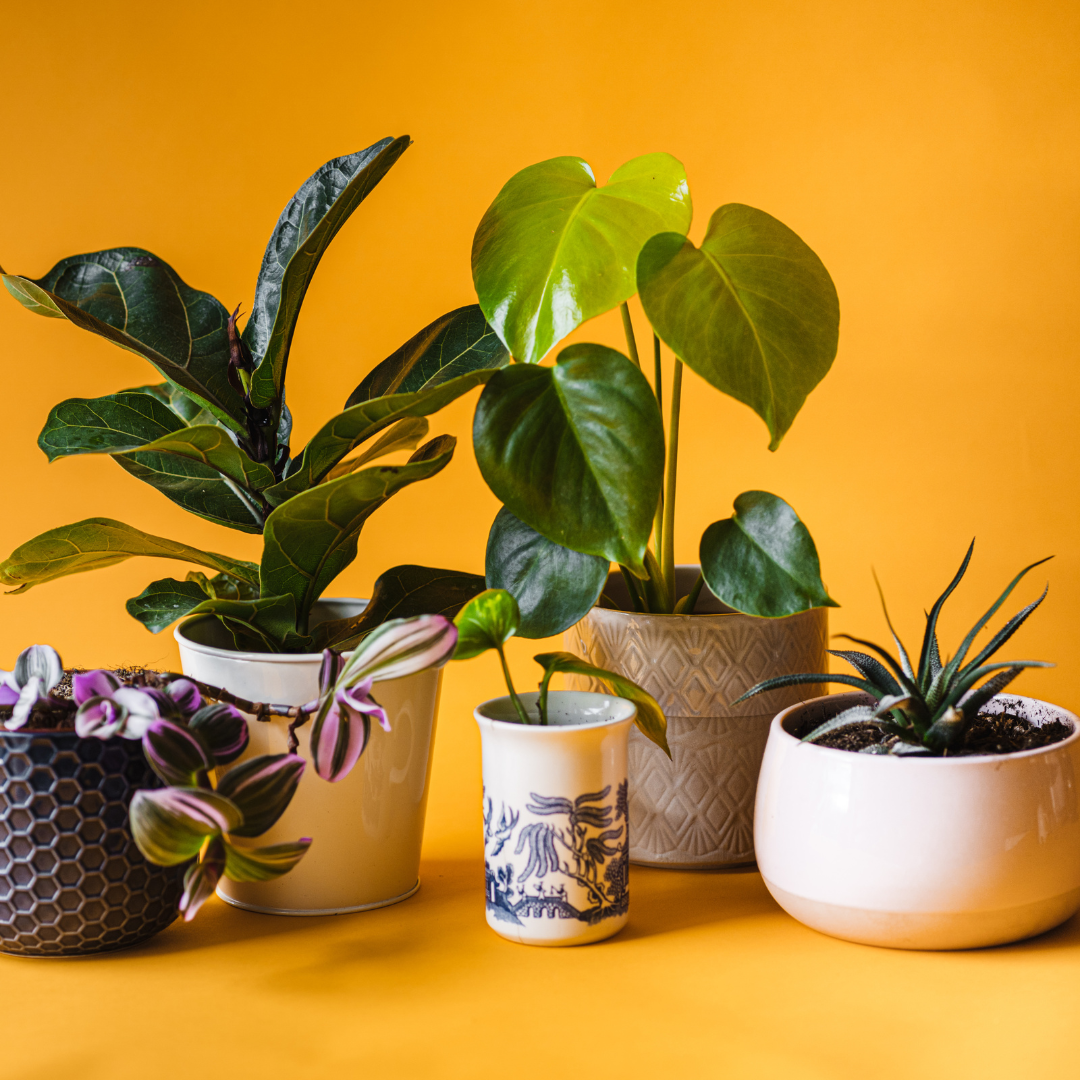
Indoor plants not only enhance the aesthetic of a space but also contribute to better air quality and overall well-being. For those seeking to bring life into their home, these five must-have indoor plants stand out for their resilience and beauty. Each plant serves a unique purpose, offering varied benefits to suit different living environments.
From low-maintenance options to more vibrant choices, the right indoor plants can transform any room. They provide not just visual appeal but also a sense of tranquility that can make a house feel more like a home. By incorporating these plants, individuals can enjoy a greener lifestyle, regardless of their gardening experience.
Top 5 Must-Have Indoor Plants
Indoor plants can enhance the aesthetic appeal of a space while improving air quality. The following selections are popular for their hardiness and ease of care, making them ideal choices for both novice and experienced plant enthusiasts.
Snake Plant (Sansevieria)
The Snake Plant is renowned for its striking sword-like leaves and resilience. It thrives in various lighting conditions, from low light to indirect sunlight. This plant requires minimal watering, making it perfect for forgetful owners.
Care Tips:
- Water only when the soil is completely dry.
- Avoid overwatering to prevent root rot.
- Fertilize once or twice a year during the growing season.
Its ability to filter toxins from the air enhances indoor environments. The Snake Plant’s unique appearance also adds a modern touch to any room.
Pothos (Epipremnum Aureum)
Pothos, particularly the Golden Pothos variety, is favored for its trailing vines and vibrant heart-shaped leaves. It adapts well to different environments and can grow in low light, although it flourishes in brighter settings.
Care Tips:
- Water when the top inch of soil feels dry.
- Prune regularly to maintain a bushy appearance.
- Dust leaves occasionally to maximize photosynthesis.
This plant is known for its air-purifying qualities, making it an excellent choice for home and office spaces. Its versatile growth habit allows it to be displayed in hanging baskets or on shelves.
ZZ Plant (Zamioculcas Zamiifolia)
The ZZ Plant stands out for its glossy, dark green leaves that add elegance to any setting. It is exceptionally tolerant of neglect, thriving in low light and requiring infrequent watering.
Care Tips:
- Water every 2 to 3 weeks, allowing the soil to dry out between waterings.
- Use a well-draining potting mix to prevent puddling.
- Fertilize sparingly, as too much can harm the plant.
Its low-maintenance nature and aesthetic appeal make it a favorite among busy individuals. The ZZ Plant can adapt to various indoor settings, making it functional as well as decorative.
Peace Lily (Spathiphyllum)
The Peace Lily is cherished for its beautiful white blooms and air-purifying capabilities. It prefers moderate to low light but should be shielded from direct sunlight.
Care Tips:
- Keep the soil consistently moist but not soggy.
- Remove yellowing leaves to promote healthy growth.
- Mist leaves occasionally to maintain humidity levels.
This plant also signals when it needs water by drooping slightly, making care intuitive for plant owners. The Peace Lily not only improves air quality but also adds a serene touch to homes.
Care Essentials for Thriving Indoor Plants
Proper care is crucial for indoor plants to flourish. Key elements like watering, potting soil selection, and fertilizer use directly impact plant health and growth.
Optimal Watering Practices
Watering is essential for indoor plant health. Overwatering can lead to root rot, which is often fatal. It’s important to check the moisture level of the soil before watering.
Tips for effective watering:
- Finger Test: Insert a finger about an inch deep. If it feels dry, it’s time to water.
- Water Thoroughly: Ensure water reaches the roots by watering until it drains from the bottom.
- Adjust by Season: Plants generally need less water in winter. Monitor them to avoid excessive moisture.
Choosing the Right Potting Soil
The right potting soil promotes healthy root development. Generic garden soil is often unsuitable due to compaction issues. A high-quality potting mix is ideal.
Characteristics of good potting soil:
- Drainage: It should contain components like perlite or vermiculite for aeration.
- Nutrients: Look for mixes that include organic material for initial nourishment.
- pH Level: A slightly acidic to neutral pH (around 6.0-7.0) supports most houseplants.
Using Houseplant Fertilizer Effectively
Fertilizer provides essential nutrients for growth. Maintaining nutrient levels is vital, especially during the growing season.
Ways to apply fertilizer:
- Frequency: Fertilize every 4-6 weeks during spring and summer. Reduce in fall and winter.
- Type: Use a balanced liquid fertilizer or slow-release granules based on plant needs.
- Dilution: Always dilute liquid fertilizers according to package instructions to avoid root burn.
By following these care essentials, indoor plants can achieve optimal health and growth.
Decorating and Styling Small Spaces
In small living areas, choosing the right indoor plants and arranging them effectively can transform the space. Prioritizing compact plants and clever arrangements enhances aesthetics without overwhelming the environment.
Selecting Plants for Compact Homes
Compact homes benefit from houseplants that thrive in limited space. Spider plants (Chlorophytum comosum) are popular due to their trailing foliage and air-purifying abilities. They can easily be placed in hanging planters or shelves to save floor space.
Air plants are another excellent choice. Their unique growth habits don’t require soil, allowing placement in creative spots like wall-mounted holders or glass terrariums. For a touch of variety, consider the mini monstera, a smaller version of the popular monstera plant. It adds a tropical vibe without taking up much room, making it perfect for urban living.
Arranging Indoor Plants for Maximum Impact
Effective arrangement can make all the difference in small spaces. Layering plants creates depth and interest. Taller plants, like the mini monstera, can be placed next to shorter options like spider plants on shelves.
Using groupings is another strategy. Three to five plants in varying heights and textures can create a focal point. Placing them near windows maximizes natural light while enhancing visual appeal.
Utilize vertical space with wall shelves or hanging planters. This method allows for a lush display without crowding the floors. Proper arrangement yields a balanced, inviting atmosphere.
Additional Popular Indoor Plant Choices
Numerous indoor plants enhance living spaces. Among these, four notable choices stand out for their unique characteristics and care requirements.
Cast Iron Plant (Aspidistra Elatior)
The Cast Iron Plant is renowned for its resilience. It thrives in low light and is almost indestructible, making it ideal for beginners. Its dark green leaves can grow up to 2 feet long, adding a lush feel to any room.
This plant requires infrequent watering; allowing the top inch of soil to dry out is best. It can tolerate neglect and variations in temperature, showcasing why it has earned its reputation. Additionally, it does not attract many pests, simplifying maintenance.
The Cast Iron Plant can adapt to different environments, including kitchens and bathrooms, due to its humidity tolerance. It embodies an ideal indoor choice for anyone seeking reliable greenery.
Rubber Plant and Rubber Tree (Ficus Elastica)
The Rubber Plant, or Rubber Tree, is valued for its striking foliage. Its broad, glossy leaves can come in various colors, including deep green and variegated forms. This plant can grow tall, making it suitable for corners or spaces needing height.
Light plays a crucial role in its growth; bright, indirect sunlight is ideal. Regular watering should be done when the topsoil dries out. Overwatering may lead to root rot, so ensuring proper drainage is essential.
Furthermore, the Rubber Plant has air-purifying qualities, filtering toxins from indoor air. Its robust presence and visual appeal make it popular among houseplant enthusiasts.
Chinese Money Plant (Pilea Peperomioides)
The Chinese Money Plant is appreciated for its unique, pancake-like leaves. Often associated with good fortune and prosperity, this compact plant thrives in bright, indirect sunlight. It is excellent for small spaces due to its manageable size.
Watering should be moderate; allowing the soil to dry out between waterings promotes healthy growth. It can also benefit from occasional feeding with a balanced houseplant fertilizer during the growing season.
Its charming, round leaves make it a favorite for home decor. The Chinese Money Plant is easy to propagate, allowing enthusiasts to share or expand their collection effortlessly.
Jade Plant (Crassula Ovata)
The Jade Plant, known as a succulent, is celebrated for its thick, fleshy leaves. As a symbol of luck and prosperity, it is often given as a gift. This plant thrives in bright light and prefers dry conditions, requiring less water than typical houseplants.
Jade Plants should be watered only when the top inch of the soil has dried out. Over time, they can grow into small trees, adding a unique aesthetic to any room.
In addition to their beauty, Jade Plants can live for many years with proper care. They are an excellent choice for those seeking a long-lived indoor plant that adds both charm and significance to a space.